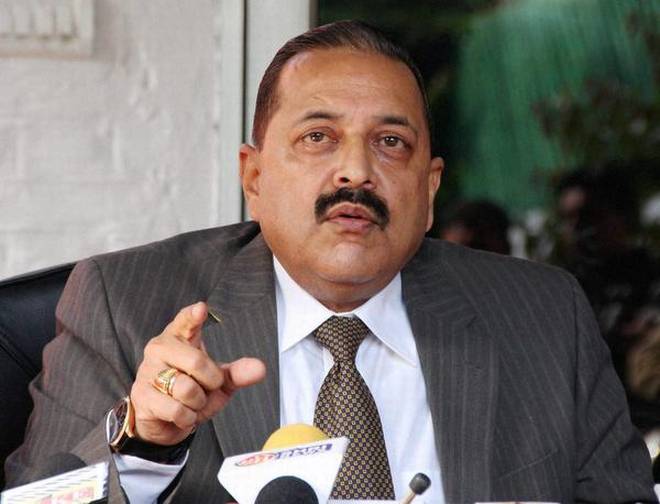
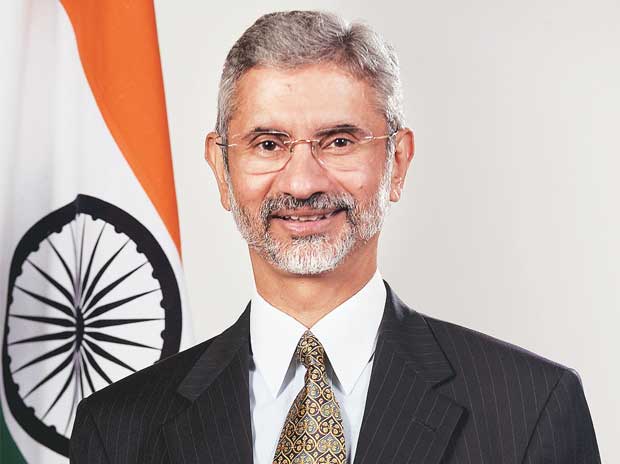
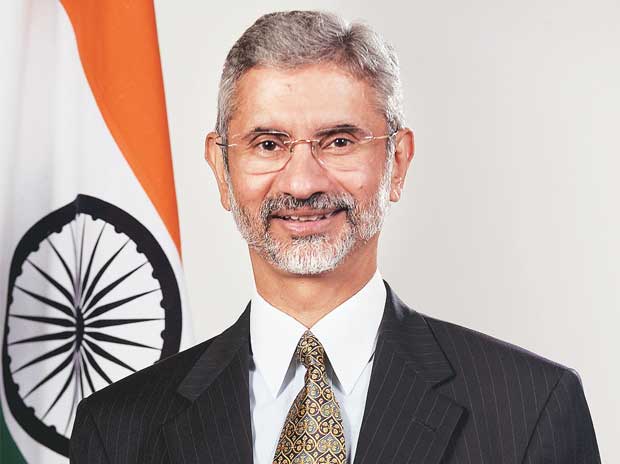
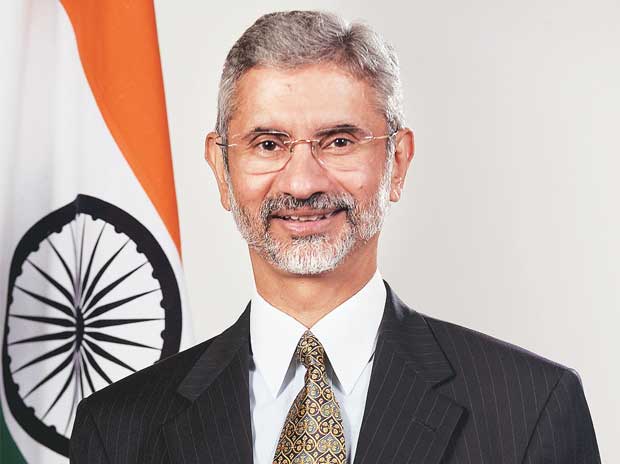
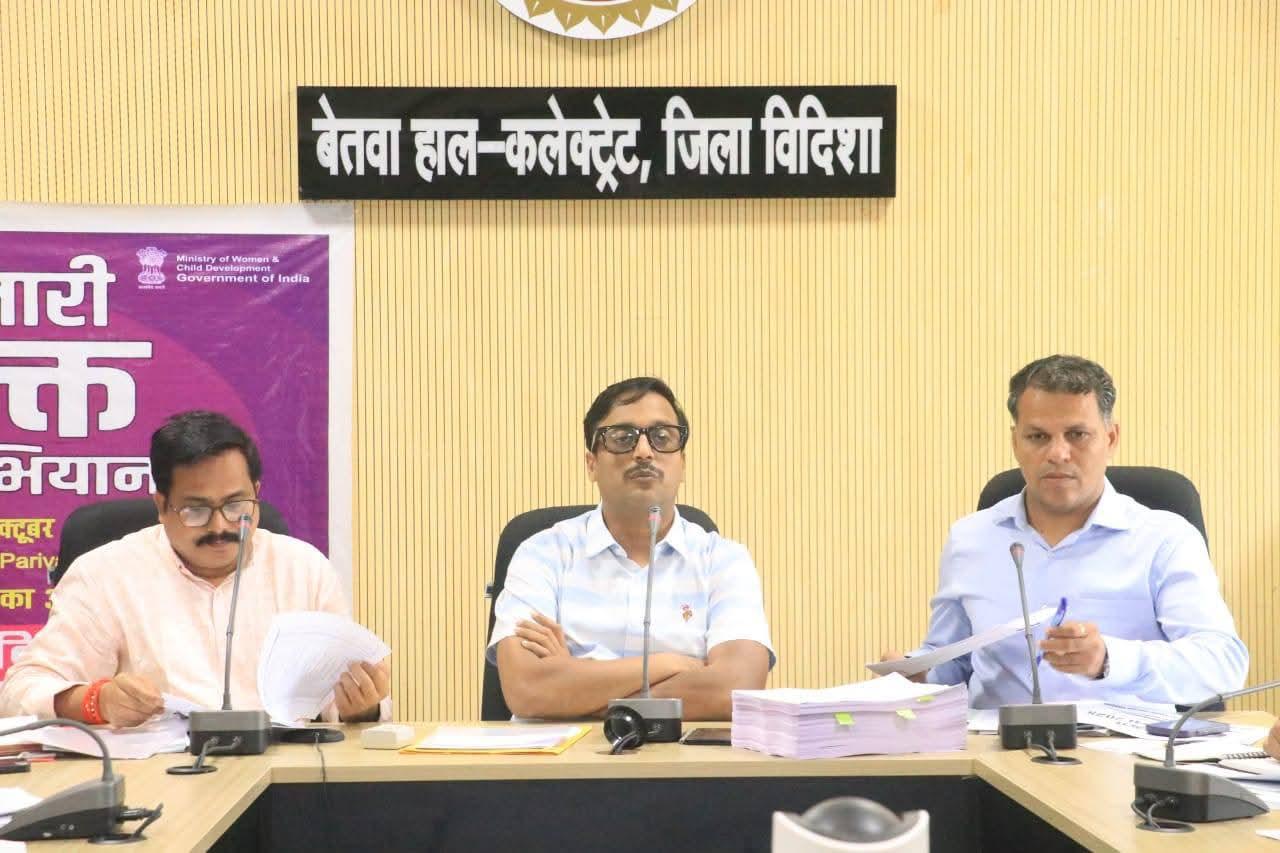
Emphasising that early detection and affordability are the two biggest challenges in addressing genetic and rare diseases, Union Minister of State (Independent Charge) for Science & Technology, Earth Sciences, and Minister of State for PMO, Department of Space and Department of Atomic Energy, Dr. Jitendra Singh, today said that India is now scientifically and economically equipped to take on complex health challenges through genomics, biotechnology, and preventive healthcare.
The Minister was speaking during his visit to the DBT-BRIC Centre for DNA Fingerprinting and Diagnostics (CDFD), Hyderabad, where he laid the foundation stone of the National Skill Development Centre, SAMARTH and inaugurated the iDeA-NA BRIC-CDFD Technology Incubator.
Dr Jitendra Singh said that unlike earlier decades, when India was primarily battling infectious diseases, the country has now entered a futuristic phase where molecular diagnostics, genome sequencing and personalised medicine are becoming central to healthcare delivery. He noted that institutions like CDFD play a crucial role in bridging laboratory research with real-life clinical outcomes.
Highlighting the government’s policy direction, the Minister said that biotechnology and health have received unprecedented priority under Prime Minister Narendra Modi, with repeated emphasis from the ramparts of the Red Fort. He recalled the announcement of the Bio-E3 Policy during the Independence Day address, describing it as a catalyst that has sparked widespread interest among scientists, startups, and young innovators across the country.
Dr Jitendra Singh observed that India is witnessing rapid progress in genomics-led initiatives, including large-scale genome sequencing, paediatric genetic disease programmes, and pioneering work in areas such as haemophilia. He said these efforts are preparing the healthcare system for an era of personalised treatment, where patients with similar conditions may require different therapeutic approaches.
Referring to the issue of rare diseases, the Minister said that the introduction of India’s first National Policy for Rare Diseases in 2021 marked a major shift in the government’s approach, reflecting foresight and openness to scientific inputs. He highlighted that detection alone is not enough, and sustained treatment must also be made affordable for affected families.
The Minister also spoke about the integrated healthcare model being promoted by the government, including the institutionalisation of traditional systems through the Ministry of Ayush and the global recognition of yoga as a preventive health tool. He said that evidence-based integration of wellness practices with modern medicine has shown positive outcomes in managing lifestyle and metabolic disorders.

Copyright © 2017 Indian Grapevine a unit of Integrated Media Enterprises