


Apurva Dubey Posted as Deputy Secretary, Drinking Water and Sanitation
Apurva Dubey, a 2013-batch UP-cadre IAS officer, has been appointed Deputy Secretary in the Department of Drinking Water and Sanitation, Delhi.

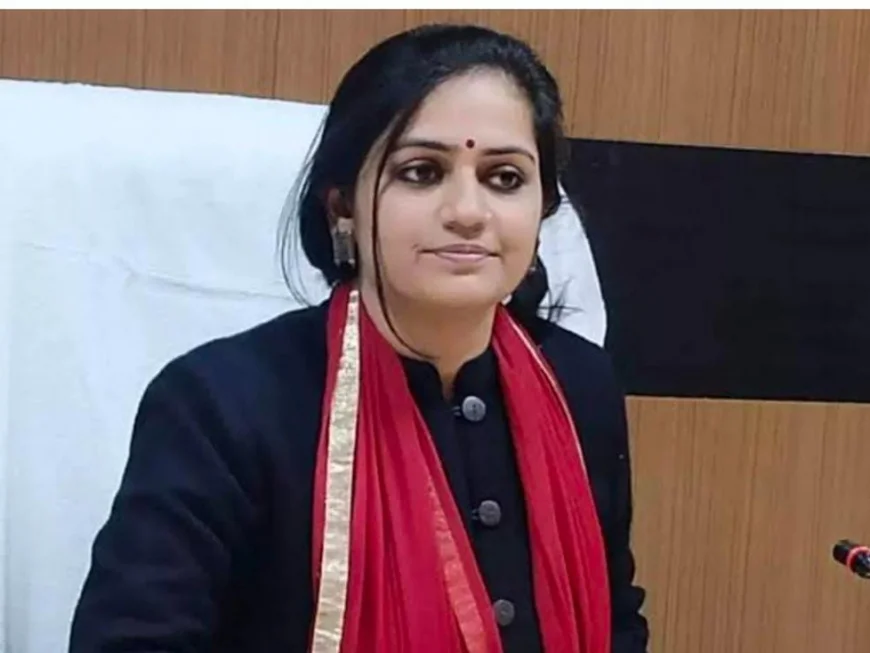
Apurva Dubey has been appointed Deputy Secretary in the Department of Drinking Water and Sanitation, Delhi, under the Central Staffing Scheme for a period of four years. She is a 2013-batch IAS officer of the Uttar Pradesh cadre, according to the appointment order, and joins the department at a time when it is reviewing implementation data from several large states ahead of the mission's next funding cycle.
The posting places Dubey alongside fellow Deputy Secretary Angel Bhati Chauhan in a department responsible for the Jal Jivan Mission and national sanitation programmes. Deputy Secretaries in this department typically oversee specific state clusters or thematic areas within the scheme, tracking fund utilisation and coordinating with state Public Health Engineering departments on implementation timelines. The department's Delhi office coordinates directly with state nodal agencies that execute the actual pipe-laying and connection work at the village level.
Uttar Pradesh, as India's most populous state, is one of the largest recipients of Jal Jivan Mission funding, making UP-cadre officers with field experience in rural water infrastructure a natural fit for central postings in this department. Dubey's move from the UP cadre to Delhi follows the standard rotation pattern for officers roughly a decade into service, after typically serving as Sub-Divisional Magistrate and District Magistrate-level charges in the state's districts, postings that would have exposed her to the administrative demands of coordinating large-scale rural infrastructure schemes. The scale of UP's rural population also means implementation data from the state carries disproportionate weight in the department's national coverage tracking.
Before this central deputation, Dubey would have handled district-level administrative charges in Uttar Pradesh, where IAS officers of her seniority commonly oversee law and order, development schemes and, in many districts, direct implementation of the very drinking water and sanitation programmes she will now help coordinate from the central department. That district-level vantage point gives Deputy Secretaries a practical understanding of the delays and bottlenecks that state-level implementation agencies typically report back to Delhi.
Her appointment comes at a stage when the Jal Jivan Mission is shifting focus toward sustainability of existing water connections rather than solely new infrastructure creation, a phase that requires closer coordination between the central department and state agencies on operations and maintenance funding. Deputy Secretaries handle much of this coordination directly with state nodal officers, reviewing quarterly progress reports and flagging districts where connection numbers have plateaued below target.
The four-year Central Staffing Scheme tenure is standard for Deputy Secretary postings, and Dubey's appointment brings a second UP-cadre-experienced officer with rural infrastructure understanding into a scheme office that spans multiple large states with significant coverage gaps still to close, particularly in hilly and remote districts where pipeline infrastructure has proven costlier to build than in the plains.
The appointment was made under the Central Staffing Scheme for a four-year tenure, according to the order issued for the posting. Dubey and Chauhan's simultaneous appointments strengthen the department's Deputy Secretary bench ahead of the mission's continuing rollout across states still working toward full rural water coverage.