


Balanced Approach to Patient Care, Teaching and Research Essential with Focus on Patient-Centric Model: Union Health Minister
J.P. Nadda addressed the Leadership Conclave for the Presidents and the Executive Directors of new All India Institutes of Medical Sciences, convened by the Ministry of Health and Family Welfare in New Delhi yesterday.

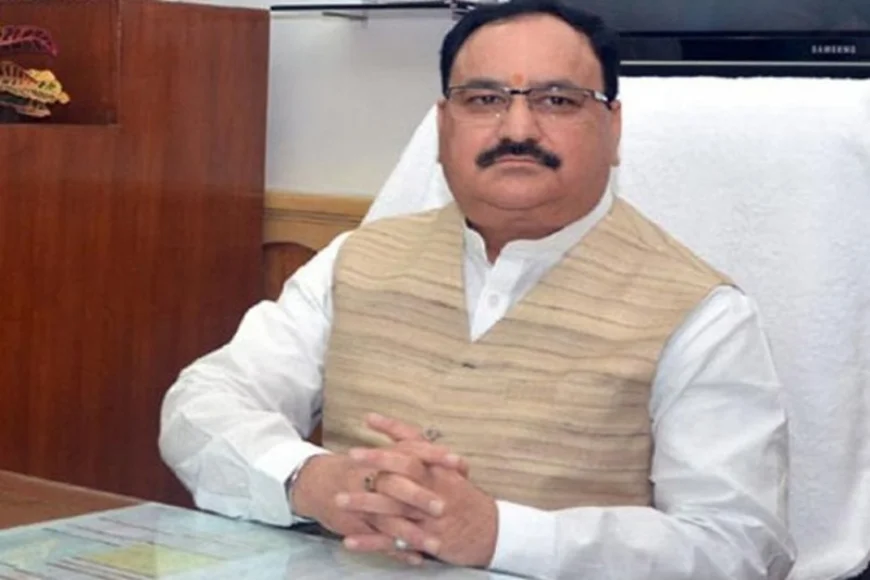
J.P. Nadda addressed the Leadership Conclave for the Presidents and the Executive Directors of new All India Institutes of Medical Sciences, convened by the Ministry of Health and Family Welfare in New Delhi yesterday. The Conclave is envisaged as an ongoing endeavour to build institutional capacities, promote inter-institutional collaboration, and establish a strong and cohesive network of AIIMS institutions to further strengthen public health systems in the country.
Delivering the keynote address, the Union Health Minister emphasized that the Leadership Conclave is both contextual and relevant in the present phase of expansion of the All India Institutes of Medical Sciences network. He stated that a balanced approach must be maintained among patient care, teaching, and research, with a clear focus on strengthening a patient-centric model. He underscored the need to institute structured patient feedback mechanisms and to take concrete steps to enhance patient satisfaction. He expressed his expectation that the new AIIMS should progressively establish world standards in patient care and medical education, while preserving the institutional ethos associated with the AIIMS system.
Noting that the new AIIMS are at different stages of development, the Minister stressed the importance of mutual support and structured collaboration so that institutions may grow together in a coordinated manner. He expressed satisfaction that 20 AIIMS have established a collaborative research consortium to advance coordinated health research aligned with national priorities, and stated that institutional leadership must blend administrative efficiency with academic excellence to guide this initiative effectively.
Clarifying governance roles, he reiterated that the President of each Institute represents the Ministry and provides guidance and oversight, while the Executive Director is responsible for day-to-day administration. He emphasized that this functional distinction must be respected to ensure effective institutional management. The Minister called for moving beyond conventional practices and fostering greater transparency, accountability, and objectivity in decision-making processes.
He urged the adoption of cutting-edge technologies, particularly the integration of Artificial Intelligence in diagnostics and clinical decision-making, and emphasized the need to institutionalize telemedicine services as a regular component of AIIMS functioning. He also called for strengthening outreach programmes to expand community engagement and reinforce the public health role of the institutions.