


Cost-effective top-end technologies, robust R&D and resilient supply chains must for Viksit Bharat:Rajnath Singh
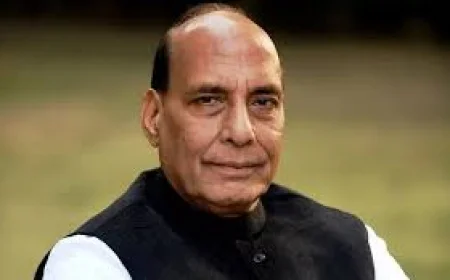
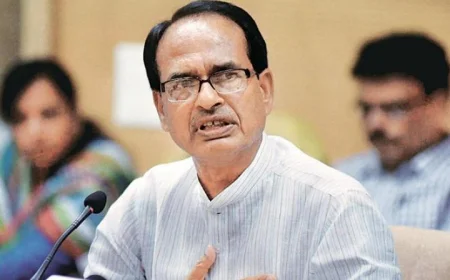
Rajnath Singh has called for ‘Aatmanirbharta 2.0’ in the defence sector, with emphasis on the development of top-end, state-of-the-art technologies, strengthening Research & Development (R&D), and building resilient supply chains to reduce import dependence and achieve technological superiority, thereby contributing to the vision of Viksit Bharat@2047.

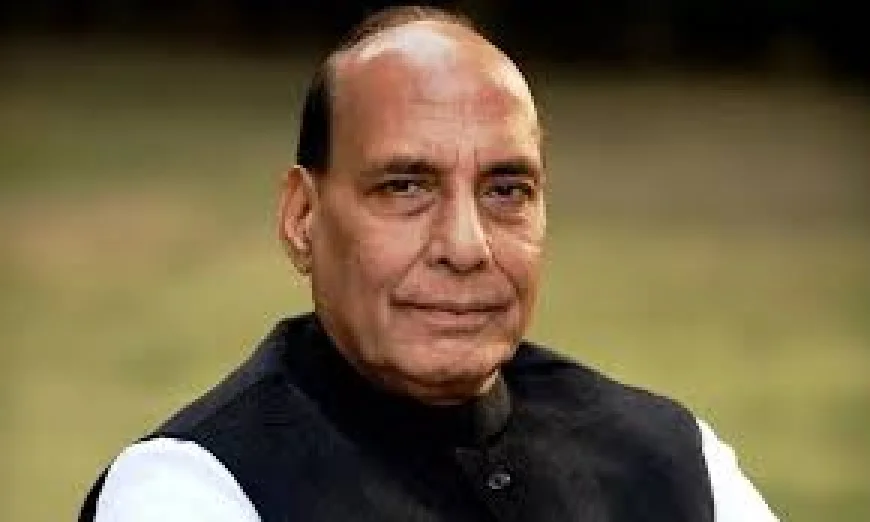
Rajnath Singh has called for ‘Aatmanirbharta 2.0’ in the defence sector, with emphasis on the development of top-end, state-of-the-art technologies, strengthening Research & Development (R&D), and building resilient supply chains to reduce import dependence and achieve technological superiority, thereby contributing to the vision of Viksit Bharat@2047. He was addressing the fifth edition of SWAVLAMBAN, the Indian Navy’s Naval Innovation and Indigenisation Seminar in New Delhi on October 26, 2026. He emphasised the need to build on the gains of the first phase of self-reliance achieved under the leadership of Prime Minister Shri Narendra Modi, stating that defence innovators with futuristic vision and scientific discipline could play the role of ‘impact players’ in pursuing more challenging technological goals.
Highlighting the significant strides made by the nation towards Aatmanirbharta in defence over the last decade, Shri Rajnath Singh asserted that the progress achieved so far has created a strong foundation for the next phase, which must focus on advanced technologies and objectives that are considered difficult to achieve. He underlined the need to indigenously manufacture products that are cost-effective, operationally superior and globally competitive.
Raksha Mantri described supply chain management as not just a technical issue but a strategic imperative directly linked to national security. He called for a dynamic roadmap that sets clear timelines for achieving self-reliance in each item, identifies the technologies to be developed and the industries that will drive their innovation, and outlines the resources required to achieve these objectives. “Supply chain dependencies arise from a limited domestic availability of certain raw materials, such as rare earth elements, and the absence of specific technologies within the country. While some external dependencies may persist until viable alternatives are developed or domestic resources become available, there is a need to prioritise critical areas for indigenisation,” he said.
Shri Rajnath Singh underscored the need to remain prepared against potential disruptions in supply routes, stressing that the assessment of buffer stocks and domestic production capabilities must be carried out in advance rather than waiting for a crisis. He identified R&D as central to addressing these challenges. He exuded confidence in the ability of the nation’s talent pool to develop cutting-edge technologies indigenously with sustained focus and investment.