


India’s food and agricultural exports reach nearly ₹5 lakh crore annually; country becomes seventh largest exporter globally: Piyush Goyal
Piyush Goyal yesterday called upon stakeholders from the food, agriculture and hospitality sectors to work collectively towards making India the world’s largest exporter of agricultural and processed foods, highlighting the vast opportunities created by India’s expanding trade agreements and the growing global demand for Indian products.

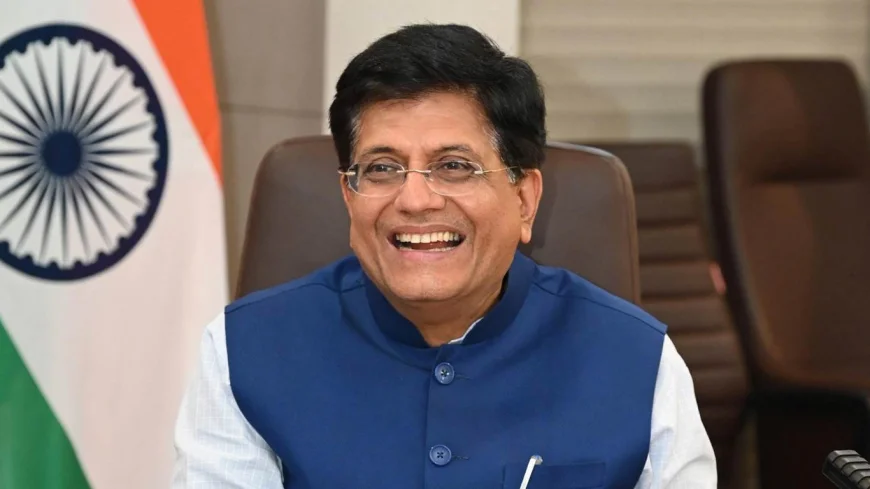
Piyush Goyal yesterday called upon stakeholders from the food, agriculture and hospitality sectors to work collectively towards making India the world’s largest exporter of agricultural and processed foods, highlighting the vast opportunities created by India’s expanding trade agreements and the growing global demand for Indian products.
Addressing the gathering at the inauguration of the 40th edition of AAHAR – The International Food & Hospitality Fair in New Delhi today, Shri Goyal said that India’s exports of food and agricultural products—including farm produce and fisheries—have reached nearly ₹5 lakh crore (over USD 55 billion) annually, making the country the seventh largest exporter of agricultural produce in the world.
He noted that over the past eleven years, from 2014 to 2025, India’s agri and food exports have witnessed significant growth. Exports of processed foods have increased fourfold, fruit and pulses exports have tripled, processed vegetable exports have quadrupled, cocoa exports have tripled, and cereal exports have doubled. Rice exports alone have grown by 62 percent during this period.
Shri Goyal said these achievements should inspire India to aspire for the top position globally in agricultural and processed food exports. He emphasized that the goal is achievable and aligns with the vision of Prime Minister Shri Narendra Modi that India should become the “food basket of the world.”
The Minister highlighted that the nine Free Trade Agreements (FTAs) concluded by India over the past three and a half years have opened access to 38 developed and prosperous countries, providing vast market opportunities for Indian exporters. He added that India today has preferential market access covering nearly two-thirds of global trade, which strengthens India’s position as an attractive investment destination and enables Indian businesses to integrate into global value chains.
Shri Goyal emphasized that while negotiating FTAs, the Government has carefully safeguarded the interests of domestic stakeholders, particularly farmers, fishermen and MSMEs. He said India has protected sensitive sectors such as dairy, where no concessions have been given to foreign producers. Similarly, genetically modified (GM) products have not been granted duty concessions or market access.
He further clarified that key agricultural commodities such as rice, wheat, maize, soy meal and several varieties of pulses have been protected in trade negotiations. In the sugar sector, concessions have generally not been extended to prevent imports that could adversely affect India’s sugarcane farmers and domestic producers.
The Minister said these measures ensure that India’s domestic strengths remain protected while new global opportunities are created for Indian products. He urged stakeholders connected with industry and the business community to spread awareness at the grassroots level about how India’s FTAs safeguard national interests while expanding international trade opportunities.