


Pari Bishnoi, 2020-Batch IAS Officer, Becomes Sikkim's Youngest District Collector
Pari Bishnoi, a 2020-batch Sikkim cadre officer, becomes the state's youngest District Collector at Pakyong.

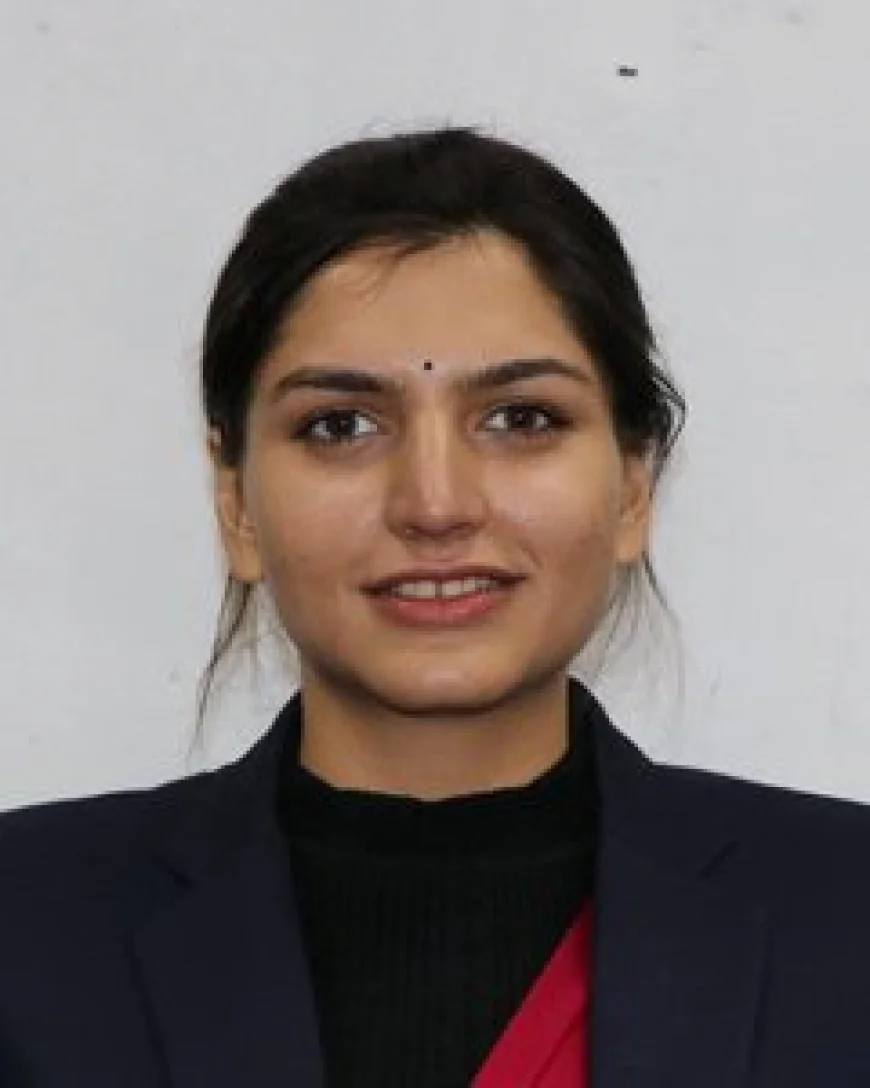
Pari Bishnoi, District Collector of Pakyong, has become the youngest District Collector currently serving in Sikkim. Born in 1996, Bishnoi is a 2020-batch officer of the Sikkim cadre of the IAS.
Pakyong is one of Sikkim's smaller districts, notable for hosting the state's only greenfield airport, and its District Collector holds charge of the standard range of district administration functions, including law and order, revenue administration, disaster management and coordination of Central and state welfare schemes at the field level.
District-level charges of this kind are typically given to officers a few years into service, after an initial period of sub-divisional or secretariat postings, making Bishnoi's appointment to a full district charge within roughly five years of joining the service a comparatively fast-tracked assignment within the Sikkim cadre.
Sikkim's small cadre size, relative to larger states, often means officers take on district-level responsibility earlier in their careers than counterparts in bigger cadres, where competition for Collector-level postings is higher given the larger number of officers and districts involved.
The Pakyong charge places Bishnoi at a district that has seen growing administrative attention in recent years owing to airport-linked connectivity projects and the tourism and infrastructure development that has followed in the surrounding areas.
As District Collector, Bishnoi's responsibilities will include overseeing the implementation of state and Central schemes at the ground level, managing revenue and land records, and serving as the first point of administrative authority for law and order and disaster response within Pakyong district.
The appointment reflects a broader pattern across smaller Himalayan and northeastern cadres, where officers frequently move into significant district and secretariat roles earlier than the national average tenure typically associated with such postings in larger states.
Sikkim's IAS cadre is among the smallest in the country, drawing officers both through direct recruitment via the UPSC civil services examination and through promotion from the Sikkim State Civil Service, and the state has historically had to fill District Collector posts from a comparatively narrow pool of officers relative to larger states with bigger cadre strengths.
The role of District Collector in Sikkim carries particular significance given the state's difficult terrain, seismic vulnerability and the concentration of both tourism and border-adjacent infrastructure activity within its districts, all factors that place a premium on administrative responsiveness at the district level, especially during the monsoon season when landslides and road disruptions are common across the hill state.
Bishnoi's posting adds to a small but growing number of young officers taking on Collector-rank charges within their first five to seven years of service across Himalayan and northeastern states, a trend officials attribute partly to natural attrition and retirement patterns within smaller cadres that create vacancies faster than officer intake can offset in the ordinary course of seniority-based postings.
District Collectors in Sikkim also typically double as District Magistrates, holding magisterial powers relevant to law and order and public safety, a dual charge that places additional responsibility on younger officers stepping into the post relative to purely administrative roles at the secretariat level.
Officer postings to district charges in Sikkim are generally decided by the state's General Administration Department, which weighs vacancy positions, an officer's prior field exposure and administrative requirements specific to each district before making Collector-level assignments, a process that applies uniformly regardless of an officer's age or seniority within the cadre.