


Shivraj Singh states: “Farmers’ welfare is paramount for us, Government prepared for potential El Nino impact”
Shivraj Singh Chouhan yesterday conducted a high-level review of the current status of the agriculture sector and preparations for the upcoming Kharif season, directing the Agriculture Secretary and concerned senior officials to ensure all necessary arrangements are made well in advance to safeguard farmers’ interests.

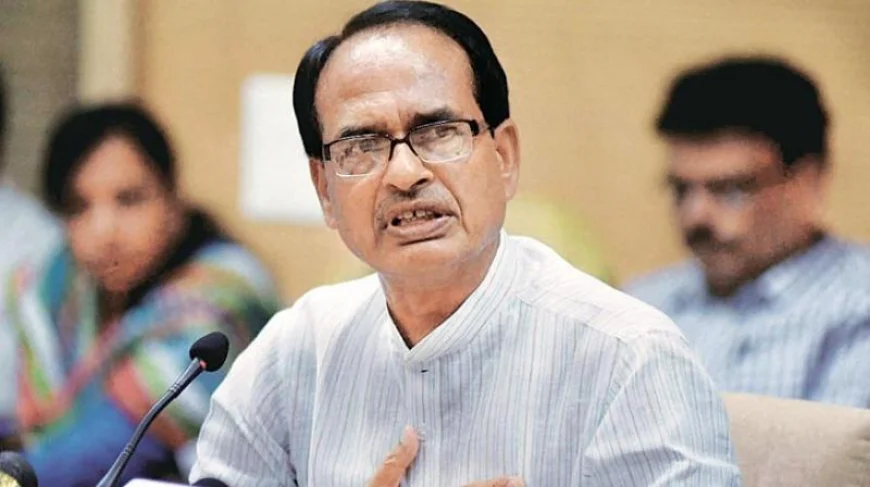
Shivraj Singh Chouhan yesterday conducted a high-level review of the current status of the agriculture sector and preparations for the upcoming Kharif season, directing the Agriculture Secretary and concerned senior officials to ensure all necessary arrangements are made well in advance to safeguard farmers’ interests. The meeting extensively discussed weather forecasts, water availability, crop conditions, arrangements for seeds and other agricultural inputs, states’ preparations, and action plans to cope with potential adverse weather conditions. During the review meeting, Union Agriculture Minister Shri Shivraj Singh emphasised that farmers’ welfare is of utmost priority for us, and the government is fully prepared to address the potential El Niño impact.
The meeting was informed that the India Meteorological Department (IMD) has indicated the likelihood of below-normal Southwest Monsoon in 2026, with seasonal rainfall estimated at about 92 per cent of the long period average (LPA) across the country. It was also indicated that El Niño conditions may develop during the monsoon season, although the final and updated assessment will be issued in the last week of May 2026. During the review, Union Agriculture Minister Shri Shivraj Singh Chouhan clarified that taking weather-related forecasts seriously, the Central Government is moving forward with complete preparedness, and farmers need not have any concerns. He stated that through coordinated efforts of the central and state governments, better water management, advanced technologies, expansion of irrigation facilities, and climate-resilient agricultural measures, the impact of potential challenges can be significantly controlled.
The meeting highlighted the important fact that at present, the water levels in the country's reservoirs are in a satisfactory position, and overall storage is better than normal. According to available estimates, reservoir storage is at 127.01 per cent of the normal level for this period, which will provide crucial assistance in meeting irrigation needs during the Kharif season and substantially reduce the risk of moisture deficiency. On this basis, the meeting assessed that despite the potential El Niño impact, its effect on the agriculture sector is likely to remain relatively limited compared to previous instances. Particularly due to improved water availability, micro-irrigation, scientific advisories, crop diversification, and timely interventions, farming has become more efficient and adaptable than before.
During the review, it was also mentioned that between 2000 and 2016, the impact of El Niño on agricultural production was relatively more pronounced, as rainfall dependency was higher at that time, and arrangements to deal with climate risks were limited compared to the present. In recent years, technological advancements, better agricultural management, water conservation, expansion of irrigation networks, and use of improved seeds have brought greater stability to crop productivity. The meeting also underscored that some crops, especially paddy, exhibit relatively higher stability, while suitable management measures are already being prepared for other crops as well. Union Minister Shri Chouhan stated that the government's focus is on providing timely advice, seeds, resources, and alternatives to farmers through area-specific and crop-specific strategies.
Union Agriculture Minister Shri Shivraj Singh directed officials to ensure that all states maintain full preparedness to handle any adverse weather conditions and activate contingency plans right down to the district level. He said that along with ensuring availability of seeds, fertilisers, and other essential agricultural inputs, alternative crop options, delayed sowing strategies, and promotion of drought-tolerant varieties should be emphasised, so that farmers receive practical and prompt solutions. The meeting was informed that seed availability for both Kharif and Rabi seasons exceeds requirements, and arrangements for the National Seed Reserve have also been made for contingency situations. These preparations are aimed at ensuring that if adverse weather impacts any area, alternative seeds and suitable varieties can be immediately provided there.