


TMC Rebel-NCPI Bloc in Advanced Talks for Two Cabinet Berths in Exchange for NDA Legislative Support
Sources confirm that two Cabinet berths may be offered to leaders from the TMC rebel faction that merged with Tripura's NCPI, in exchange for their legislative support to the NDA. The negotiations are at an advanced stage and could have significant implications for parliamentary arithmetic and political dynamics in West Bengal and Tripura.

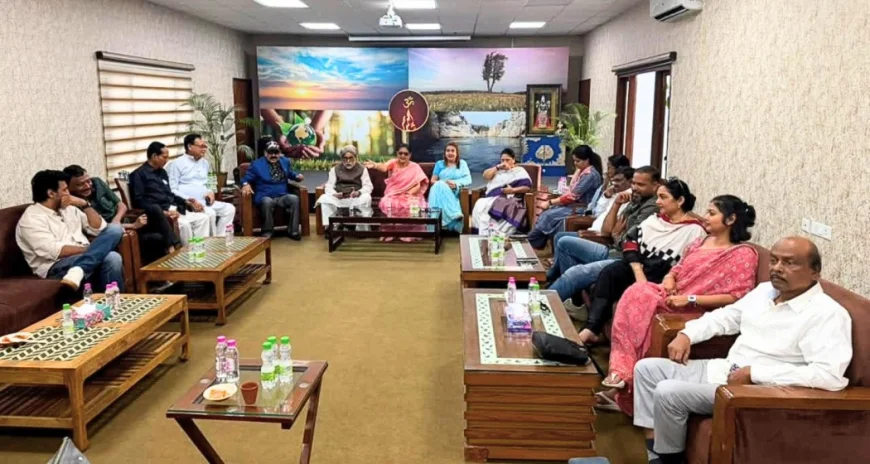
A potentially consequential political development is unfolding behind the scenes in New Delhi, with sources reporting that negotiations are at an advanced stage between the NDA leadership and a TMC rebel faction that recently merged with the Nationalist Congress of People's India (NCPI), a political outfit based in Tripura. The deal reportedly involves the allocation of two Union Cabinet ministerial positions to leaders from this rebel bloc in exchange for their formal legislative support to the ruling coalition. The political calculus behind this arrangement is straightforward: at a time when every parliamentary seat carries outsized significance — particularly given the NDA's ongoing bid to secure a two-thirds majority for key constitutional legislation — the addition of even a small but coherent bloc to its support base would be symbolically and practically valuable. Sources familiar with the negotiations describe the arrangement as a carefully structured trade-off: the rebels get political rehabilitation and ministerial representation; the NDA gets numbers it badly needs. The TMC rebel faction broke from the Mamata Banerjee-led Trinamool Congress during internal dissent and political frustration, finding common ground with the NCPI to form a new entity that now presents itself as a potential NDA ally. The absorption of this bloc into the ruling alliance's orbit would also have ripple effects in Tripura, where the NCPI has a state-level presence, and potentially in West Bengal, where shifting political loyalties continue to redraw electoral equations. According to insiders, discussions have progressed well beyond informal feelers, with the broad contours of the Cabinet inclusion already mapped out informally. The specifics of which portfolios could be offered remain undecided, though the rebel leadership is reportedly seeking ministries with visibility and public delivery capacity rather than symbolic appointments. No official confirmation has been issued by the BJP leadership or the rebel camp. However, political observers tracking coalition dynamics note that such negotiations are entirely consistent with the Modi government's approach of consolidating parliamentary support through strategic alliance management rather than relying solely on its organic electoral strength. Should the deal be formalised, it would mark another chapter in the Modi government's evolving coalition strategy — one that blends electoral pragmatism with calculated political outreach in states where the BJP is working to expand its footprint beyond its current electoral base. For the TMC rebels, the deal would represent a path back to relevance in national politics after their departure from one of India's most powerful regional parties.