

Vaishnaw Orders Day-Long Review of Railway Drinking Water After CAG Flags Quality Lapses
Railway Minister Ashwini Vaishnaw ordered a nationwide drinking water quality review after CAG flagged lapses, with new filtration at 20,000 sites.

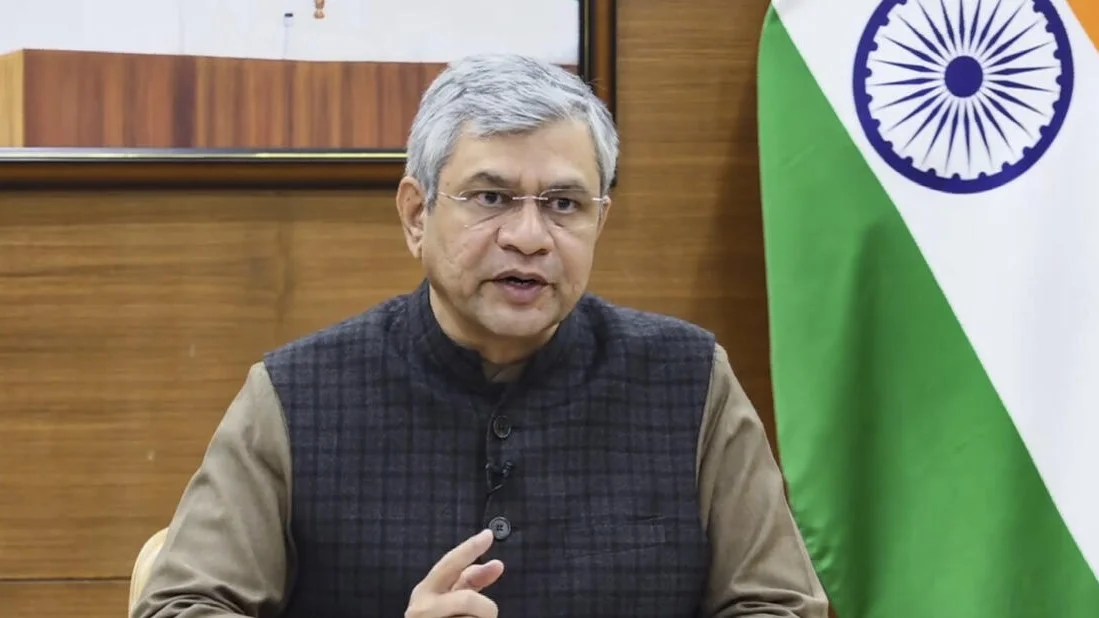
Railway Minister Ashwini Vaishnaw led a day-long review of drinking water quality across the railway network on Sunday, a move that follows recent Comptroller and Auditor General findings on water quality lapses at stations and on trains. The Minister directed officials to take immediate corrective action to ensure passengers get safe and clean drinking water.
As part of the response, the Railways will install a new tank-to-tap filtration and monitoring system, along with water coolers, at close to 20,000 locations across the network. The plan also includes replacement of ageing water storage tanks, which auditors had flagged as a recurring source of contamination risk at several stations.
Vaishnaw stressed strict compliance with regular water quality testing at both the source and the outlet points where passengers actually draw water, rather than testing only at the point of supply. He also pushed for centralised monitoring and clearer accountability lines, along with routine cleaning and maintenance schedules for storage tanks — an area CAG audits have repeatedly identified as inconsistently enforced across zonal railways.
The Railway Ministry said drinking water safety would now be monitored directly at the Board level, rather than left to zonal or divisional officers alone, and that water quality reports would be published on a regular basis going forward. Officials described the exercise as part of a wider effort to close out the specific observations the CAG had raised, rather than a stand-alone response to a single audit finding.
Water quality at railway stations has been a recurring subject of CAG scrutiny for several years, with past reports flagging gaps in testing frequency, tank cleaning schedules and coordination between Railways and local municipal water suppliers. The scale of the network — thousands of stations spread across zones with very different water sources — has made uniform compliance difficult to enforce from the Board level down.
The Ministry's statement did not specify a completion timeline for the tank-to-tap installations or the tank replacements, saying only that the initiative would proceed in phases with progress tracked through the regular water quality reports it plans to publish.