


Dr. Jitendra Singh Formalises Commercial Launch of Bio-based Biodegradable Plastic under BioE3
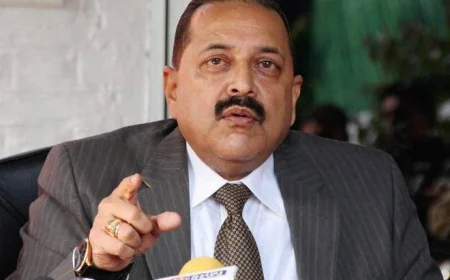
Dr. Jitendra Singh yesterday formally launched the commercial use of bio-based biodegradable plastic based on Polylactic Acid (PLA), marking an important step in India’s transition towards next-generation sustainable manufacturing.

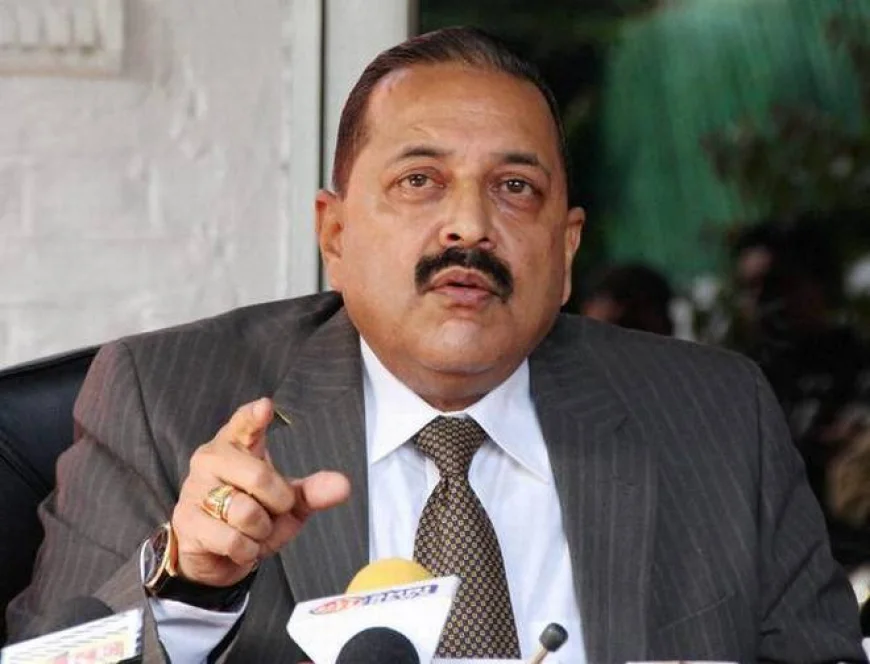
Dr. Jitendra Singh yesterday formally launched the commercial use of bio-based biodegradable plastic based on Polylactic Acid (PLA), marking an important step in India’s transition towards next-generation sustainable manufacturing.
The initiative, being taken forward by Balrampur Chini Mills Limited (BCML) under the Government’s BioE3 (Biotechnology for Economy, Environment & Employment) framework, combines biotechnology, sustainable manufacturing and commercial translation. A ₹75 crore grant from the Biotechnology Industry Research Assistance Council (BIRAC), under the Department of Biotechnology (DBT), is supporting the 100 TPA pilot-scale R&D facility for PLA and co-polymers, aimed at developing advanced bio-based materials and facilitating their translation towards commercial production.
The initiative was unveiled at the Department of Biotechnology, Ministry of Science & Technology, in New Delhi. The pilot-scale facility will be established at BCML’s integrated manufacturing complex at Kumbhi, Uttar Pradesh, where it will support the development and scale-up of PLA and co-polymer technologies for sustainable material applications.
Speaking on the occasion, Dr. Jitendra Singh said the initiative represents a significant milestone in India’s bioeconomy journey, where biotechnology is moving beyond laboratory research towards commercial products, sustainable manufacturing and employment generation. He said India’s bioeconomy, which was around US$10 billion in 2014, has grown to nearly
US$195 billion, reflecting the rapid expansion of biotechnology-led economic activity. He said the next phase must focus on translating scientific capabilities into commercially viable products and technologies.
Dr. Jitendra Singh said the PLA initiative can strengthen India’s ability to participate in the global transition towards sustainable manufacturing and create a new value chain based on biological resources. He said the project demonstrates how indigenous scientific capabilities can be connected with industrial production to create high-value materials while addressing environmental concerns. The initiative, he added, can contribute to India’s emergence as a global leader in the bioeconomy and as a source of practical solutions for other countries.
A major focus of the Minister’s address was the “waste to wealth” approach. Dr. Jitendra Singh said India’s diversity means that different regions generate different kinds of biomass and waste, requiring different technologies and methodologies for conversion into useful products. Region-specific biotechnology capabilities, he said, can therefore help convert locally available resources into wealth while creating new opportunities for regional development.
“There is no such thing as waste,” Dr. Jitendra Singh said, stressing that materials described as waste often contain significant underlying value that can be unlocked through science and technology. He said India’s diverse experience with biological resources, recycling and biomass conversion gives the country an opportunity to develop solutions that can have wider global relevance.
The Minister said the commercial translation of research must happen at an early stage, with technologies moving from laboratories to markets through pilot facilities, validation, skilled manpower and industry participation. He said the PLA facility can become a platform for developing polymers for high-value applications, training skilled personnel and generating the knowledge and experience required for commercial-scale manufacturing.
The 100 TPA pilot-scale R&D facility will focus on developing specialised PLA grades and advanced PLA co-polymers for high-value applications. It will generate techno-economic data and process know-how, support product development and customer validation, facilitate technology indigenisation and help enable seamless scale-up towards commercial production. The facility will also strengthen collaboration between industry, academia and research institutions.
Dr. Jitendra Singh also called for greater public outreach to explain biotechnology in simple and relatable terms. He suggested that communication around such technologies should show how everyday agricultural resources such as sugarcane can be converted into products beyond food, including sustainable materials. He said such storytelling can help people understand the value of biotechnology, encourage wider adoption and support the commercial use of indigenous technologies.