

Former Kerala DGP R. Sreelekha Takes On Malayalam Film Industry; Alleges Her Stories Were Plagiarised in 'Dhridam' and 'Bhoothakaalam'
Former Kerala DGP R. Sreelekha has alleged that two popular Malayalam films — 'Dhridam' and 'Bhoothakaalam' — plagiarised her original stories. While director Martin Joseph has denied the charge, the controversy has sparked wider debate about intellectual property rights and the uncredited use of bureaucrats' literary work in Indian cinema.

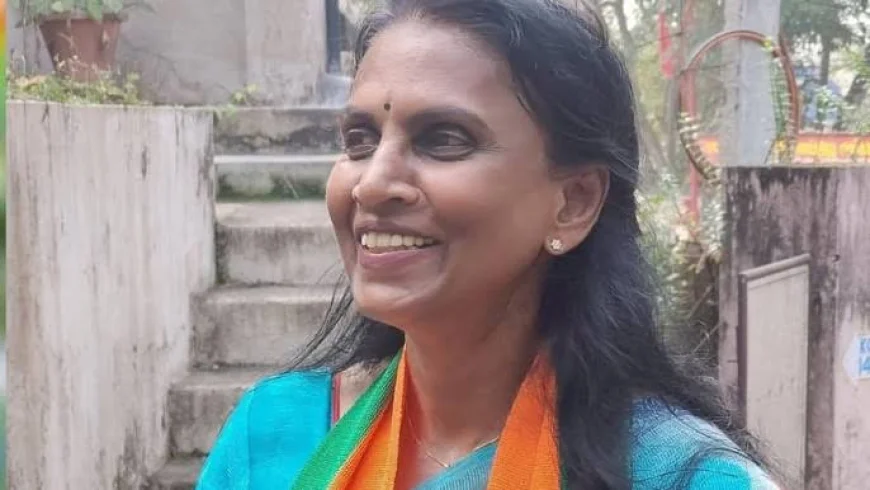
Former Kerala Director General of Police R. Sreelekha has publicly levelled serious plagiarism allegations against two acclaimed Malayalam films — 'Dhridam' and 'Bhoothakaalam' — claiming that the narratives and conceptual frameworks of both films were lifted without permission or credit from her own literary and creative work, sending ripples across both the bureaucratic world and the Malayalam film industry. Sreelekha, one of Kerala's most prominent and outspoken former IPS officers who has since been an active political voice associated with the BJP, made the allegations through social media and subsequent press engagements. She asserted that her original writing — particularly her story 'Karinkudi Police Station' and her book 'Bhootha Bhavanam' — formed the foundational inspiration for both productions without any acknowledgement of her authorship. 'Bhoothakaalam', a critically celebrated atmospheric horror drama featuring Shane Nigam, earned wide praise on the festival circuit and through its OTT release. 'Dhridam', directed by Martin Joseph, is equally well known within the Malayalam film space. Sreelekha contends that elements central to her narratives — thematic, structural, and in some cases situational — appear in both films in ways that go beyond coincidence. The former DGP has indicated that she is considering legal recourse if satisfactory acknowledgement or compensation is not forthcoming. She has called for a transparent response from the filmmakers and producers involved, framing the issue not just as a personal grievance but as a broader concern about the protection of intellectual property rights for creators outside the mainstream film industry ecosystem. In response, director Martin Joseph categorically denied the allegations. He stated that the film's story was independently conceived and developed, and that the parallels cited by Sreelekha were either coincidental or too generic to constitute plagiarism. Other members of the film fraternity have weighed in with divided opinions. This controversy carries added significance given Sreelekha's stature as a former police chief who has authored multiple books drawing on her extensive service career. Her standing lends credibility to her claim that she has a documented body of intellectual output that could form the basis of a copyright dispute. The case highlights a recurring tension in Indian cinema — where literature, personal memoirs, and non-fiction accounts by officials, particularly bureaucrats and police officers, frequently provide inspiration for films without formal licensing or attribution. Legal experts tracking the matter note that copyright protection for narrative structures can be complex to establish in court, but the public attention the controversy has attracted may pressure filmmakers to engage in dialogue. The episode is expected to renew calls within India's creative and bureaucratic communities for clearer frameworks governing the adaptation of real-life accounts into commercial entertainment.