


NDA Falls Far Short of Two-Thirds Threshold for Delimitation Bill; Political Realignment the Only Viable Path Say Experts
The NDA government lacks the two-thirds majority needed to pass a constitutional amendment for delimitation, making the bill politically unviable in the current Lok Sabha composition. Experts confirm significant political realignment is the only credible path forward, with major implications for the women's reservation framework tied to delimitation.

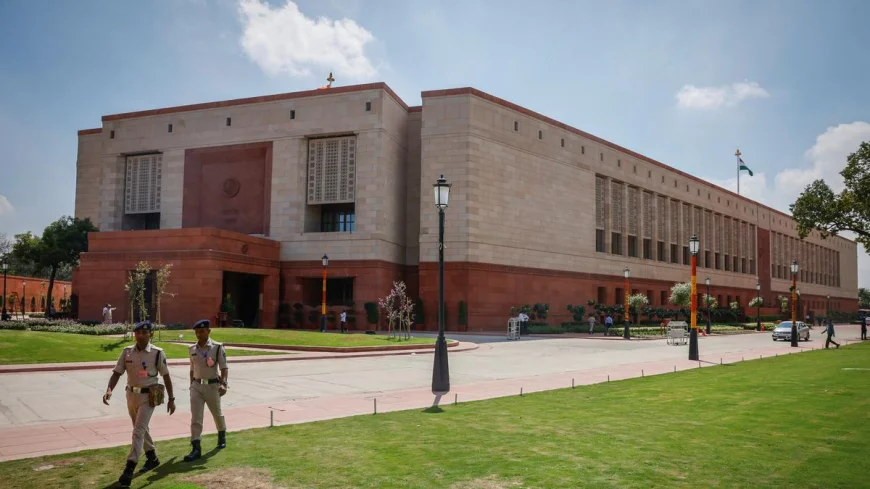
The Narendra Modi-led National Democratic Alliance faces a significant constitutional arithmetic challenge that could delay one of its most ambitious legislative goals — the passage of a delimitation bill that would redefine India's electoral map. Political experts and government insiders have confirmed that despite intensive backchannel efforts and encouraging signs of political churn, the NDA remains well short of the two-thirds parliamentary majority required to push through a constitutional amendment of this nature. In practical terms, the NDA needs to cross the 362-seat mark in the Lok Sabha — calculated as two-thirds of total membership assuming full attendance — for the delimitation bill to pass. Current assessments peg the alliance several dozen seats short of this threshold, even factoring in sympathetic cross-voting and the possibility of a partial shift from the Trinamool Congress, which has been engaged in quiet political positioning. Government sources with knowledge of the deliberations note that the Centre views delimitation not simply as an electoral adjustment exercise but as a constitutional prerequisite for implementing the women's reservation framework. The constitutional mandate requires constituencies to be delimited before reserved seats for women can be identified, and with the reservation law expected to be operationalised ahead of the 2029 General Elections, the urgency to move on delimitation is both real and time-bound. However, the constitutional requirement — backing of two-thirds of members present and voting in both the Lok Sabha and the Rajya Sabha — presents a formidable hurdle in the current fragmented political landscape. While the NDA has historically demonstrated legislative agility through floor management and strategic alliances, the current numbers do not permit complacency. Experts consulted on the matter broadly agree that unless there is a significant political realignment — either through a broader coalition-building exercise, substantial opposition defections, or the absorption of new allies — the delimitation bill remains beyond reach in the near term. Some analysts suggest that the government may be testing political waters deliberately, using the threat of delimitation as a tool to negotiate new alignments rather than as an immediately actionable legislative plan. The broader implication is significant: without delimitation, the implementation of women's reservation in Parliament and state assemblies continues to remain in limbo, potentially affecting a defining political commitment of the current government and delaying a constitutional promise to over half of India's population.