


India Must Lead with Indigenous, Evidence-Based Healthcare Solutions, Not Merely Replicate Global Models: Union Health Minister
Jagat Prakash Nadda, today formally released the “Lung Cancer Treatment and Palliation: Evidence-Based Guidelines” document at Kartavya Bhavan, New Delhi, on the eve of World Cancer Day.

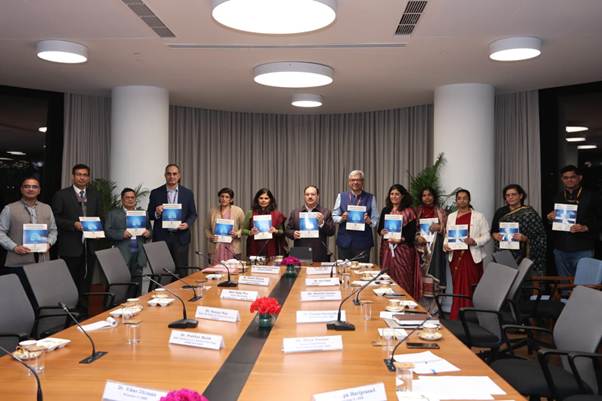
Jagat Prakash Nadda, today formally released the “Lung Cancer Treatment and Palliation: Evidence-Based Guidelines” document at Kartavya Bhavan, New Delhi, on the eve of World Cancer Day.
The guidelines aim to provide a standardized, evidence-based framework for the diagnosis, treatment, and palliative care of lung cancer patients across the country, ensuring high-quality, accessible, and patient-centric care. Developed by leading experts and stakeholders in oncology, the document seeks to strengthen clinical decision-making, promote best practices, and reduce variations in treatment outcomes.
Congratulating the Department of Health Research (DHR), Directorate General of Health Services (DGHS), and partner institutions, Shri Nadda lauded their collaborative efforts in developing India’s first nationally developed evidence-based cancer guideline. He noted that the guidelines would play a critical role in standardizing clinical practices, strengthening decision-making, and ensuring high-quality, patient-centric cancer care across the country.
Shri Nadda also stated that the release of the Lung Cancer Treatment and Palliation: Evidence-Based Guidelines marks a strong national resolve to combat cancer through science, compassion, and leadership. He congratulated the Department of Health Research, Directorate General of Health Services, and the Ministry of Health & Family Welfare, along with all partner institutions, for their dedicated efforts in developing these landmark national guidelines.
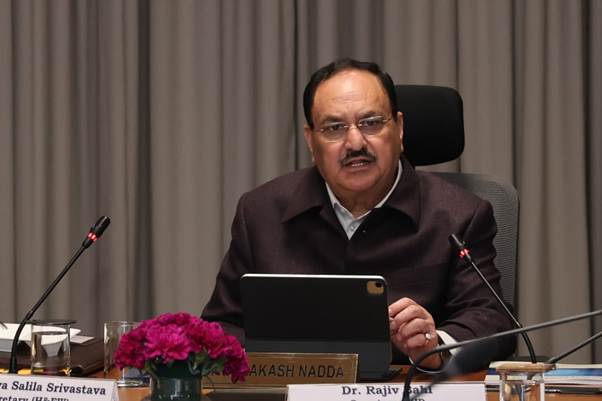
The Union Minister emphasized that early detection remains one of the biggest challenges in Lung cancer management, and stressed the need to strengthen preventive and screening strategies, particularly among high-risk populations. He reiterated the Government’s firm commitment to expanding research, innovation, and scientific collaboration to improve early diagnosis, treatment outcomes, and long-term survivorship.
Highlighting the significance of evidence-based policymaking, Shri Nadda stated that India must not merely replicate international models, but lead with indigenous, context-specific solutions. He underlined that these Guidelines reflect India’s leadership in developing its own evidence-based frameworks, suited to the country’s healthcare realities, disease burden, and resource settings, rather than relying solely on European or Western clinical protocols.