

Dr Pradip Kumar Keshri to Move to Metro Railway on Clinical Post
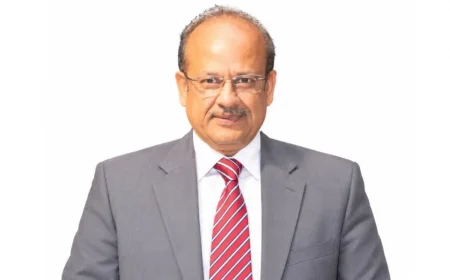
Dr Pradip Kumar Keshri, an IRHS officer at Northern Railway, will move to Metro Railway and take up a clinical post on reaching age 62 on January 25, 2027.

Dr Pradip Kumar Keshri, an Indian Railway Health Service (IRHS) officer presently posted in Northern Railway, will be transferred to Metro Railway and posted in a clinical post. The posting takes effect when he attains the age of 62 years on January 25, 2027.
The Indian Railway Health Service is the medical cadre of the Railways. Its officers run railway hospitals and health units, treat serving and retired railway staff and their families, and hold administrative posts in the medical departments of the zones and the Railway Board. Dr Pradip Kumar Keshri belongs to this service.
In the brief, the new post is a clinical one. That points to patient care in a hospital or health unit, as against the administrative charge of a medical department. The brief links the posting to his age, and it does not say what post he holds at present.
The brief states that the posting follows when he attains 62 years of age on January 25, 2027. That is the only trigger it names. It does not cite a rule, and this article does not guess at one.
The move also changes his zone. Northern Railway is headquartered in Delhi and runs one of the busiest networks in the country, with a large staff and a large number of railway colonies. Metro Railway is Kolkata's metro system and is classed as a zonal railway in its own right. It is the country's oldest metro line and has its own staff and medical arrangements. For him, the posting means a change of location as well as of duty, though the brief does not say at which hospital or health unit he will serve.
Railway hospitals form a large network. The Railways run base hospitals, divisional hospitals and smaller health units across their zones, and they provide cashless treatment to employees and pensioners. A clinical doctor is the person patients meet, and the strength of the clinical staff decides how quickly cases are seen.
No order number is mentioned in the brief. The officer's earlier postings, length of service and field of specialisation are also not given. Those details would be in the Railway Board's notification, and they are left out here for that reason.
The announcement is one of seven in the same batch on IRHS officers who are to be posted on clinical posts after reaching a stated age in January 2027. The others concern Dr Debjanee Das, Dr Sandeep Kumar, Dr Arvind Kumar, Dr Thomas V Mathew, Dr Ajay Shankar Prasad and Dr Surajit Bhattacharjee. Each brief states the officer's present zone, the zone of the new post and the date of the age-linked posting.
Medical officers in the Railways enter the service through the Union Public Service Commission's combined medical services examination and rise through grades by seniority and record. At the senior level, some take on administrative charge as Chief Medical Superintendent of a hospital, as a divisional medical officer or as a head of a zone's medical department. Others stay in clinical practice and are known for their work in a specialty. The service therefore carries both administrative and clinical paths, and officers can move between them at different points of a career.
Railway medical care is also tied to the working of the trains. Doctors are called out when accidents occur, they conduct medical examinations that decide whether staff are fit for safety-critical duties, and they run health programmes in railway colonies. A clinical post places an officer in direct contact with those who depend on the system, from locomotive crews to retired employees.
For the record, the order covers Dr Pradip Kumar Keshri, an IRHS officer, who will take up a clinical post in Metro Railway on January 25, 2027.