


J.P. Nadda Launches Nationwide Celebrations to Mark “10 Years of PMSMA – A Decade of Care”
The Pradhan Mantri Surakshit Matritva Abhiyaan (PMSMA), the flagship initiative of the Ministry of Health and Family Welfare, yesterday officially completed 10 years of dedicated service towards ensuring safe motherhood across India.

The Pradhan Mantri Surakshit Matritva Abhiyaan (PMSMA), the flagship initiative of the Ministry of Health and Family Welfare, yesterday officially completed 10 years of dedicated service towards ensuring safe motherhood across India.
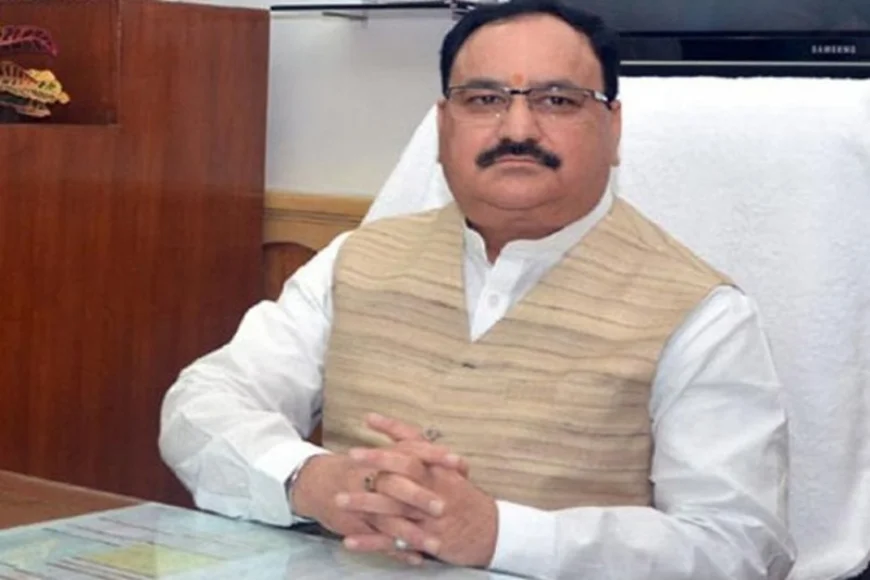
To commemorate this significant milestone, Union Minister of Health and Family Welfare, Shri J.P. Nadda, today launched nationwide celebrations under the theme “10 Years of PMSMA – A Decade of Care”, marking a decade of the successful implementation of the Pradhan Mantri Surakshit Matritva Abhiyan (PMSMA), one of India's flagship initiatives aimed at ensuring safe pregnancy and healthy motherhood.
Addressing the gathering, Shri J.P. Nadda, said that the milestone is a moment of pride and satisfaction for the entire nation. He stated that the successful implementation of PMSMA over the last decade reflects the Government’s unwavering commitment towards fulfilling the vision of Hon’ble Prime Minister Shri Narendra Modi of ensuring safe motherhood and healthy newborns for every family in the country.
Nadda noted that during the past ten years, PMSMA has not only strengthened maternal and child healthcare services across the country but has also laid a strong foundation for a healthier and more resilient India. He emphasized that ensuring the health and well-being of mothers is fundamental to building a healthy nation and achieving the vision of a Swasth Bharat.
Highlighting the genesis of the programme, Shri Nadda stated that PMSMA was launched by Hon’ble Prime Minister Shri Narendra Modi on 9th June 2016 with the objective of providing free, comprehensive and quality antenatal care services to pregnant women through specialist doctors on the 9th day of every month. He acknowledged the valuable contribution of private hospitals and medical specialists who have voluntarily partnered with the Government under PMSMA, significantly strengthening access to specialist care for pregnant women, especially in underserved areas.
The Union Health Minister stated that antenatal care plays a critical role in ensuring safe pregnancy outcomes. He noted that under the Government's maternal healthcare framework, pregnant women receive regular antenatal check-ups, including a specialist-led examination under PMSMA. He further highlighted the pivotal role played by ASHA workers in identifying, tracking and supporting pregnant women throughout their pregnancy journey.
Referring to the launch of the Extended PMSMA (E-PMSMA) strategy in January 2022, Shri Nadda said that the initiative was introduced to ensure closer monitoring and follow-up of identified high-risk pregnancies. Under E-PMSMA, high-risk pregnancies are line-listed, tracked individually and monitored up to 45 days after delivery to ensure healthy outcomes for both mother and child. He added that SMS-based alerts and enhanced support from frontline health workers have further strengthened continuity of care, while additional incentives provided to ASHAs have helped improve outreach and follow-up services at the community level.
Highlighting the achievements made in maternal and child health, Shri Nadda stated that India's progress has received global recognition. Citing the latest United Nations Maternal Mortality Estimation Inter-Agency Group (UN-MMEIG) Report, he noted that India has achieved an impressive 86 percent decline in maternal mortality since 1990, significantly higher than the global average decline of 48 percent. He further stated that India has recorded a 79 percent decline in Under-Five Mortality Rate compared to the global decline of 61 percent, while the United Nations Inter-Agency Group for Child Mortality Estimation (UN-IGME) Report highlighted a 70 percent decline in neonatal mortality between 1990 and 2024, compared to the global decline of 54 percent.
Shri Nadda also underscored the improvements reflected in the latest National Family Health Survey findings. He noted that institutional deliveries have increased to 90.6 percent, while the proportion of mothers receiving antenatal care has risen to 95.9 percent. These achievements, he said, are a reflection of strengthened healthcare systems, improved service delivery and enhanced awareness among families regarding maternal health. “These numbers are not merely statistics; they represent the lives of mothers and newborns saved through timely care, early intervention and collective efforts of our healthcare workforce,” he stated.
The Union Health Minister expressed his appreciation for the dedicated efforts of doctors, nurses, ASHAs, ANMs, frontline healthcare workers, State Governments, development partners and private-sector specialists who have contributed to the success of PMSMA. He reaffirmed the Government’s commitment to further strengthening maternal healthcare services and ensuring that every pregnant woman in the country receives timely, accessible and quality healthcare throughout her pregnancy and beyond.
Speaking at the Occasion, Smt. Punya Salila Srivastava, described the completion of ten years of the Pradhan Mantri Surakshit Matritva Abhiyaan (PMSMA) as a momentous occasion in India's journey towards ensuring safe motherhood and improved maternal and child health outcomes. She stated that over the last decade, PMSMA has emerged as one of the most impactful public health initiatives of the Government of India, touching the lives of crores of women and families across the country.