


Nitin Gadkari highlights role of app-based platforms in employment generation and inclusive mobility
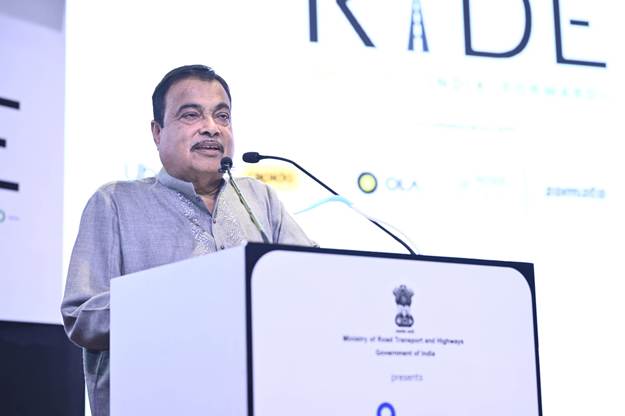
Nitin Gadkari, yesterday addressed the gathering at ‘RIDE – MOVING INDIA FORWARD’ at Bharat Mandapam, New Delhi.


Nitin Gadkari, yesterday addressed the gathering at ‘RIDE – MOVING INDIA FORWARD’ at Bharat Mandapam, New Delhi. Organised in collaboration with Uber, Ola, Rapido, Bharat Taxi, Zomato, Swiggy and Porter, the programme brought together industry representatives, drivers, gig workers and beneficiaries to highlight the contribution of app-based platforms to employment generation, mobility services and livelihood opportunities. The programme was attended by Shri Pavan Guntupalli, Co-Founder, Rapido; Shri Shiva Shailendran, Director, Uber India; Shri Uttam Diga, CEO, Porter; Shri Ankush Aggarwal, Business Head, Ola; Ms. Neha Singhvi, Vice President, Swiggy; Shri Jaskiran Bedi, Public Policy, Zomato; and actor and speaker Shri Sharad Kelkar.
Addressing the gathering, Shri Nitin Gadkari emphasised the role of technology, innovation, entrepreneurship and digital platforms in creating employment opportunities and addressing socio-economic challenges. He noted that app-based services have expanded beyond passenger transportation to include goods delivery and food services, creating new avenues of livelihood for people from diverse backgrounds.
The Minister highlighted the importance of wider adoption of the Motor Vehicle Aggregator framework by States to facilitate employment opportunities, particularly for people from socially, economically and educationally disadvantaged sections. He called upon State Governments to provide an enabling environment for such services and encourage greater participation in the emerging mobility ecosystem.
Emphasising the importance of technology in improving livelihoods, Shri Gadkari cited the introduction of mechanism-driven e-rickshaws and e-carts as examples of technological interventions that have transformed traditional occupations and reduced physical hardship. He also stressed the need to strengthen last-mile connectivity, particularly in rural areas, enabling people to access education, employment and markets more easily and transport agricultural produce to urban centres.