


Lucknow DM Vishak G Likely to Move to Government of India
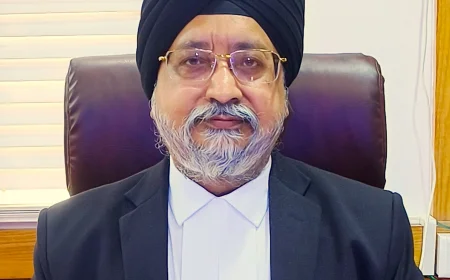
Vishak G, District Magistrate of Lucknow and a 2011-batch IAS officer of UP cadre, is likely to move to a central government assignment, sources said.


Vishak G, District Magistrate of Lucknow and a 2011-batch IAS officer of the Uttar Pradesh cadre, is likely to move to a central government assignment, according to sources tracking the state's administrative postings.
The District Magistrate of Lucknow holds one of the more prominent district postings in Uttar Pradesh, given the city's status as the state capital and the administrative weight that comes with overseeing law and order coordination, land revenue, disaster management and the implementation of central and state welfare schemes in a district that houses the state secretariat, the High Court's Lucknow bench and the offices of virtually every state department. Any officer holding the Lucknow DM post operates under closer scrutiny than most district magistrates in the state, given the proximity to the political leadership and the frequency of VIP movement through the capital.
Vishak G belongs to the 2011 batch of the IAS, allotted to the Uttar Pradesh cadre, placing him among officers with roughly fifteen years of service who typically move between district charges and secretariat-level assignments in the state government before becoming eligible for central deputation. Officers reaching this stage of seniority are frequently empanelled for Joint Secretary or Director-level postings at the Centre, a stage in the IAS career path that marks the transition from state-facing administrative roles to policy-facing central assignments in Delhi.
His tenure as District Magistrate of Lucknow has placed him at the centre of the state capital's administrative machinery, a posting that typically involves managing law and order in coordination with the police commissionerate, overseeing revenue and land records administration, and serving as the nodal authority for disaster response and public health emergencies within district limits. The role also carries responsibility for coordinating the district's response during state government events, assembly sessions and the frequent visits of central leaders that Lucknow, as the state capital, hosts through the year, making it one of the more demanding district charges in terms of sheer administrative workload placed on the officer holding it.
A move to the Government of India, if confirmed, would follow the standard route for Uttar Pradesh cadre officers of his seniority, who are periodically deputed to central ministries under the Central Staffing Scheme after clearing the empanelment process managed jointly by their state government and the Department of Personnel and Training. Such moves are typically for a fixed tenure, after which an officer either seeks extension in Delhi or returns to a state assignment in Uttar Pradesh.
The prospective move comes amid a broader pattern of Uttar Pradesh cadre officers being deputed to Delhi as the state government works through a period of frequent district-level transfers, part of the routine administrative reshuffling that state governments undertake to match officer strengths with district-level requirements and central deputation vacancies as they arise through the year.
If the move to the Centre is finalised, the Uttar Pradesh government will need to appoint a successor as District Magistrate of Lucknow, a posting considered among the more sought-after district assignments in the state given its administrative profile and proximity to the seat of state government. Such successions are typically managed alongside a wider set of district-level changes rather than as a standalone appointment, since a change at the state capital's helm often prompts a cascading set of reassignments among other senior district officers waiting for a move. No formal order confirming the transfer had been issued at the time of this report, with the move described by sources as likely rather than finalised.