


IDAS Officer Subhash Kumar Appointed Director at SAARC Secretariat, Kathmandu
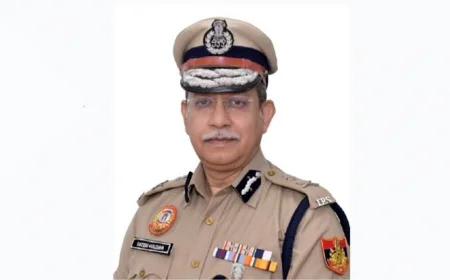
Subhash Kumar, an IDAS officer of the 2011 batch, has been appointed Director at the SAARC Secretariat in Kathmandu on a three-year deputation.

Subhash Kumar, an Indian Defence Accounts Service officer of the 2011 batch, has been appointed Director at the SAARC Secretariat in Kathmandu, Nepal, on deputation under the Ministry of External Affairs, according to an order issued this week. He currently serves as Director in the Ministry of Defence, and the deputation is for a period of three years.
The post is a Director-level captive position reserved for the Government of India at the South Asian Association for Regional Cooperation Secretariat, the eight-nation body that coordinates regional cooperation on trade, security, and development across South Asia. India, as the largest member state, retains a permanent seconded position at the Secretariat, and the appointment carries diplomatic as well as administrative weight given the body's role in regional diplomacy, even as the SAARC summit process itself has been dormant for years amid India-Pakistan tensions.
Kumar's career has run through the defence financial establishment, where IDAS officers audit and manage the accounts of the armed forces and defence public sector undertakings. His current post in the Ministry of Defence involved oversight of budgetary allocations and expenditure control across defence procurement and revenue accounts, a background that translates into the kind of financial administration work multilateral secretariats routinely require of seconded officers, particularly around member-state contributions and secretariat budgeting.
He moves from a Ministry of Defence posting where he was responsible for defence accounts oversight, a role he held prior to this deputation and one that gave him direct exposure to the financial controls governing one of the government's largest annual budgets.
The appointment is part of the routine rotation of Indian officers through captive posts at regional and multilateral bodies, a practice that keeps Indian representation continuous at institutions where New Delhi holds reserved seats. Deputation to the SAARC Secretariat, in particular, has taken on added significance given the organisation's stalled summit process since 2016, with member states now relying more heavily on Secretariat-level engagement, technical working groups, and functional cooperation tracks to keep dialogue channels open despite the political freeze.
Kumar will be working within a Secretariat that has functioned with limited political momentum for nearly a decade, as tensions between India and Pakistan have kept the SAARC summit process frozen since the last leaders' meeting was called off. His work will likely center on technical cooperation tracks in areas such as disaster management, agriculture, and connectivity that continue to operate despite the political freeze at the leadership level, alongside routine administrative and budgetary functions at the Secretariat.
The deputation is for a period of three years under the Ministry of External Affairs, as per this week's order.