


Sushanta Biswa Sarma, Assam CM's Brother, Moved From CID to Barpeta as SP
Sushanta Biswa Sarma, brother of Assam CM Himanta Biswa Sarma, has been transferred as Senior Superintendent of Police of Barpeta.

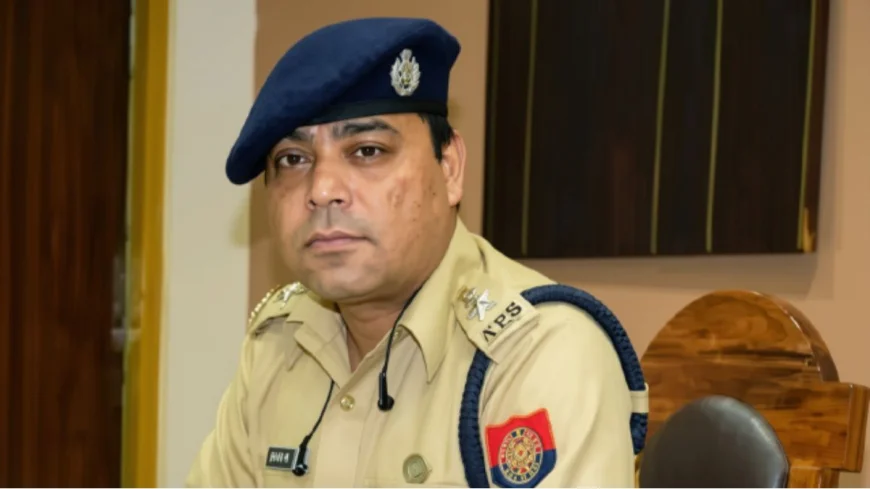
Assam's Home (A) Department has transferred senior Assam Police Service officer Sushanta Biswa Sarma, a 2002-batch officer and the younger brother of Chief Minister Himanta Biswa Sarma, appointing him as the new Senior Superintendent of Police of Barpeta district.
The Barpeta SP heads district police operations in one of Assam's most politically significant districts, an area with a mixed demographic profile and a history of communal sensitivity that places law and order management there under close political attention. The posting carries direct responsibility for maintaining order during elections, festivals, and periods of communal tension in the district, and the SP's office in Barpeta additionally coordinates with border police units given the district's proximity to riverine char areas that have historically posed distinct policing and demographic-monitoring challenges. These char areas, formed and reshaped by the shifting course of the Brahmaputra, have long required the district police to coordinate with revenue and border authorities on matters ranging from land disputes to the movement of populations across seasonally submerged tracts.
Sarma has built his career within the Assam Police Service over more than two decades since joining the 2002 batch, with his most recent assignment placing him at the state's Crime Investigation Department, one of the force's more specialised wings dealing with serious and sensitive criminal cases referred from across the state, a posting that typically draws officers with an investigative rather than field-command orientation.
At the CID, Sarma served as Senior Superintendent of Police overseeing cases involving Crime Against Women and Children, a portfolio that placed him at the centre of the state's handling of sensitive gender-related offences rather than routine district policing, requiring coordination with prosecutors and forensic units on cases that often carried significant public attention.
The transfer moves Sarma from a specialised statewide investigative role into district-level command, a shift that places him in direct charge of law and order in a constituency-facing capacity rather than case-specific investigation, a transition several officers make over the course of their careers within the APS cadre, typically as a precursor to further promotion within the district policing hierarchy. Officers moving from CID assignments back into district command are generally expected to draw on their investigative grounding when handling routine law and order challenges, an expectation that will apply to Sarma's tenure in Barpeta as much as to any comparable transfer within the cadre.
The Chief Minister's family connection to the officer has drawn attention to the transfer, as postings of officers related to senior political figures typically attract scrutiny over the optics of proximity to power, even where the transfer follows the routine administrative process applicable to any APS officer of his seniority, and opposition parties in Assam have in the past raised questions over postings involving the Chief Minister's relatives, a scrutiny likely to recur with this transfer as well. The state government has consistently maintained that such transfers follow the same seniority-based and administrative-requirement criteria applied to any officer of comparable rank and service length in the Assam Police Service.
The transfer notification specifies that Sarma's new posting takes effect from the date he formally assumes charge in Barpeta.