


UP Government Reshuffles 9 IPS Officers: Major Changes in 7 Districts

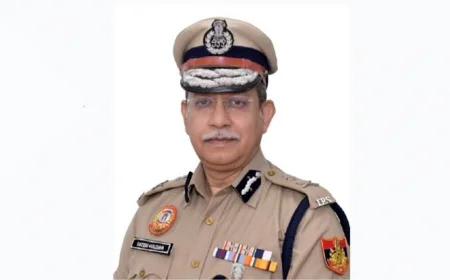
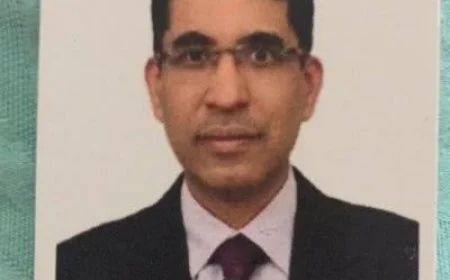
In a significant administrative move aimed at streamlining law and order across the state, the Uttar Pradesh government has announced the transfer and posting of nine Indian Police Service (IPS) officers. This reshuffle, which impacts key police leadership roles, involves the appointment of new Superintendents of Police (SPs) in seven districts, reflecting the state's ongoing commitment to optimizing regional governance and security oversight.
The recent directive issued by the Home Department indicates that these changes are part of a routine exercise to ensure administrative efficiency and operational readiness. As the state prepares for upcoming administrative challenges, the deployment of seasoned officers in pivotal districts is seen as a strategic step to bolster crime prevention and community policing efforts. The leadership changes are expected to bring fresh perspectives to the districts involved, with an emphasis on maintaining public order and addressing local security concerns with renewed vigor.
Key Changes and Strategic Impact
The reshuffle involves a mix of senior and mid-level officers, ensuring that districts with varying security profiles receive experienced leadership. By rotating officials who have completed significant tenures, the government aims to prevent stagnation and encourage a proactive approach to policing. The specific districts impacted by these changes have been identified as high-priority areas where law enforcement effectiveness is critical to public safety.
Observers of the state’s administrative machinery note that such moves are often calculated to align with the government's broader vision for a robust internal security framework. The newly appointed SPs are expected to take charge of their respective districts immediately, with mandates to review ongoing investigations and engage more closely with local communities. This transition period is vital, as the incoming officers will be tasked with evaluating existing policies and implementing necessary improvements to enhance the police-public interface.
Focus on Administrative Accountability
- Operational Efficiency: The transfer of officers is designed to maximize the utilization of personnel across diverse geographic regions.
- Strengthening Surveillance: New leadership is expected to tighten oversight on criminal activities and improve the responsiveness of local police stations.
- Public Trust: A core objective remains the improvement of transparency and accessibility, ensuring that citizens have greater confidence in the local police administration.
The government's decision to shift leadership in seven districts underscores a focus on accountability. By placing officers in roles that match their operational strengths, the Home Department seeks to create a more resilient law enforcement structure. Furthermore, the reshuffle serves as a reminder of the state’s proactive stance toward administrative governance. As the new SPs settle into their roles, the primary expectation from the state leadership is a significant reduction in crime rates and a more disciplined approach to incident management.
This latest development in the Uttar Pradesh police hierarchy serves as a clear indicator of the state's intent to maintain a tight grip on law and order. By continuously evaluating the performance of its top-tier officers and making necessary adjustments, the government aims to ensure that the security apparatus remains agile and responsive to the evolving needs of the citizenry. Stakeholders and local residents alike will be watching closely to see how these leadership transitions influence the law and order landscape in their respective regions over the coming months.