


Abhishek Dhania's ITBP Posting Cancelled, Barred From Central Deputation for Five Years
Abhishek Dhania's DIG posting at ITBP has been cancelled, and the 2012-batch AGMUT cadre IPS officer has been barred from central deputation for five years.

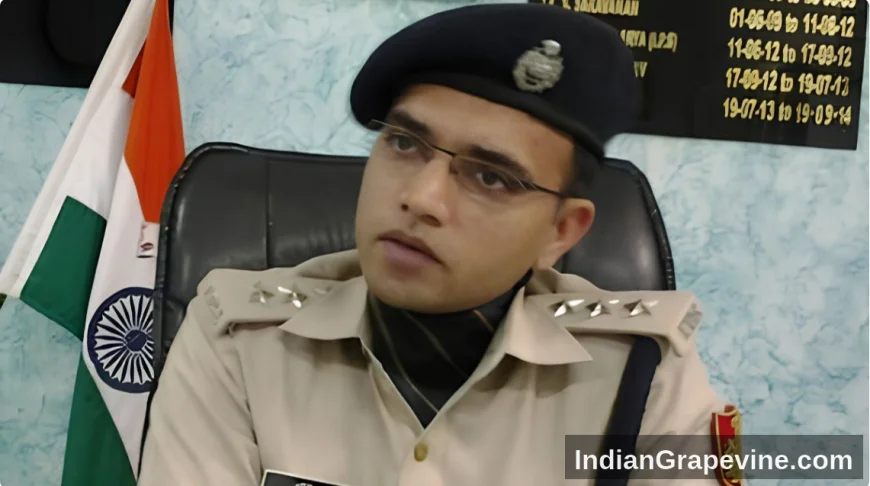
Abhishek Dhania, a 2012-batch IPS officer of the AGMUT cadre, has had his appointment as Deputy Inspector General in the Indo-Tibetan Border Police cancelled. He has also been debarred from central deputation and foreign assignments or consultancies for five years, according to the order.
The Indo-Tibetan Border Police is one of India's five Central Armed Police Forces, tasked with guarding the 3,488-km Sino-Indian border and running high-altitude operations from Ladakh to Arunachal Pradesh. DIG-rank officers on deputation from state cadres typically head training establishments, frontier sectors, or specialised wings, so a cancelled posting at that level is unusual enough to draw attention within the service.
Dhania belongs to the AGMUT cadre, which covers Arunachal Pradesh, Goa, Mizoram and the Union Territories, including Delhi. Officers from this cadre are routinely deputed to central police organisations such as the ITBP, CRPF and Delhi Police, since AGMUT postings already sit close to the central government's administrative control. A cancellation at the DIG stage means the officer's central deputation tenure has been cut short before it properly began.
No previous posting details were included in the order beyond the cancelled ITBP appointment itself, which had been made on deputation basis.
A five-year bar from central deputation and foreign assignments is among the more serious administrative actions available against an IPS officer short of formal disciplinary proceedings. It effectively confines Dhania to cadre postings within the AGMUT territories for the period, removing him from consideration for any central police organisation, ministry attachment, or UN and foreign consultancy role during that window.
The order does not specify the grounds for the cancellation or the bar. Central deputation bars of this length are typically issued by the Ministry of Home Affairs in consultation with the cadre-controlling authority, and are recorded against the officer's service file for the duration.
The action was communicated through an official order; the five-year debarment period runs from the date of issue.