


Government Sets Up High-Powered Task Force for NTA Examination Reforms
The government has constituted a high-powered task force to recommend structural and technology-driven reforms to the National Testing Agency's examination…

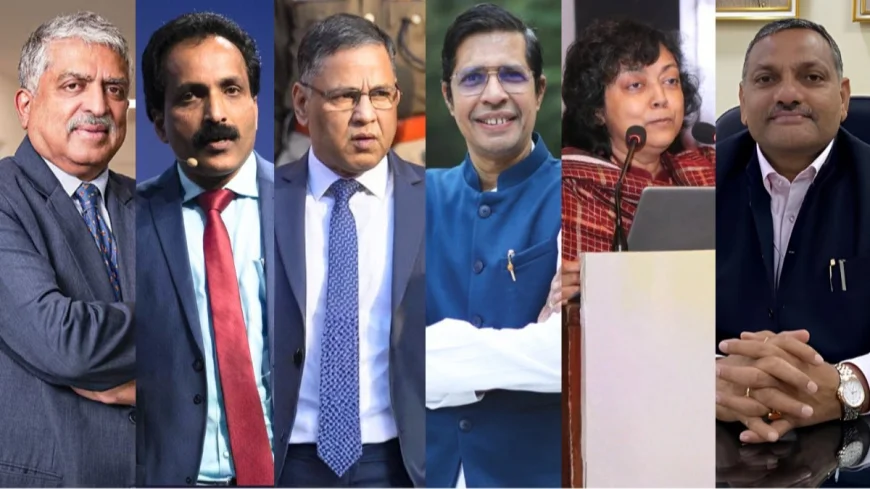
The government has constituted a high-powered task force to recommend structural and technology-driven reforms to the National Testing Agency's examination processes, bringing together a multidisciplinary group of experts spanning technology, security, education, and logistics.
The task force's formation follows sustained criticism of the National Testing Agency over examination conduct issues in recent admission and recruitment test cycles, with the panel expected to examine both the technological architecture behind large-scale computer-based testing and the structural governance of the agency itself. Its recommendations are expected to feed into broader reforms of how India conducts high-stakes national examinations such as NEET-UG and the Common University Entrance Test, both of which have faced repeated controversy over leaks and irregularities in recent years. Parliamentary committees examining the National Testing Agency's functioning have in past sessions called for greater transparency in how question papers are transported, stored, and accessed before examinations, concerns the task force is expected to weigh alongside technology fixes.
Technology expert Nandan Nilekani, who led the design of the Aadhaar biometric identity system, brings experience in building large-scale, tamper-resistant digital infrastructure, a background directly relevant to securing computer-based testing platforms against the kind of breaches that have plagued recent examination cycles and eroded public confidence in centralised testing. Nilekani's past work also included advising on digital public infrastructure projects that prioritised auditability, a design principle expected to inform his recommendations on examination platform security.
Former ISRO Chairman Dr S Somanath adds expertise in large, mission-critical systems engineering, while former Intelligence Bureau Director Tapan Deka brings a security and threat-assessment perspective to the task force's work on preventing paper leaks and impersonation during examinations, both persistent problems flagged in recent controversies that have led to cancelled and re-conducted exams.
IIT Chennai Director V Kamakoti contributes an academic and computer science research perspective, having worked on cybersecurity and systems design questions relevant to examination platform integrity, while former Education Secretary Anita Karwal brings direct administrative experience of the higher education and school examination systems the task force's recommendations will ultimately affect, having overseen policy at the Department of School Education and Literacy. Karwal's tenure as Education Secretary included oversight of major school examination boards, giving her direct familiarity with the operational side of large-scale test administration that the task force's recommendations will need to account for.
Logistics expert Amrit Lal Meena rounds out the panel, with the National Testing Agency's examinations spanning thousands of centres nationwide, a scale that makes logistics and centre-level security execution as important to reform as the underlying technology platform itself, since even a well-designed system can fail at the level of individual exam centre administration.
Task forces of this kind typically submit their recommendations within a fixed timeframe, after which the ministry concerned decides which recommendations to implement through administrative orders, regulatory changes, or in some cases fresh legislation, depending on the scope of the reform proposed. Given the National Testing Agency's examinations affect several million candidates across school, undergraduate, and professional entrance tests each year, any structural changes recommended by this task force are likely to be phased in gradually, starting with technology and security fixes before more fundamental governance changes to the agency itself are considered.
The task force's recommendations are expected to shape the next phase of reforms to the National Testing Agency's examination conduct, following the criticism the agency has faced over recent testing cycles and the political pressure that has built around examination integrity.