


Three West Bengal Cadre IPS Officers, Including Amit Javalgi, Cleared for Central Deputation

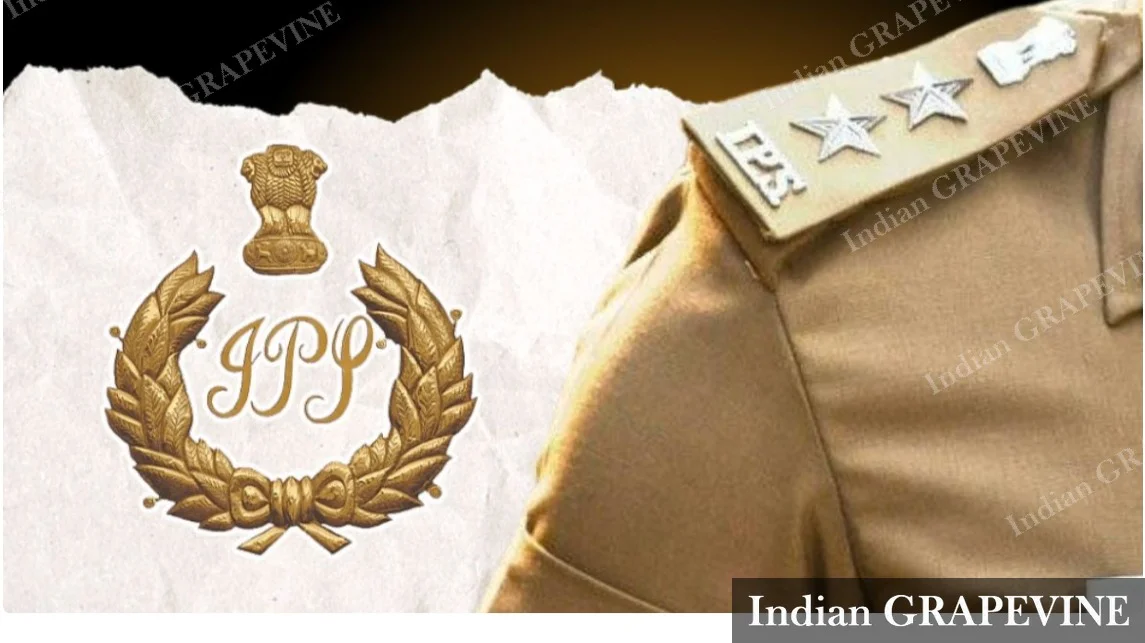
Three IPS officers of the West Bengal cadre have been granted no-objection certificates by the state government for central deputation, clearing the way for them to move to Union government postings. The officers are Amit Javalgi of the 2006 batch, Varun Chandrasekhar of the 2009 batch and Amnadeep of the 2014 batch.
A no-objection certificate from the cadre-controlling state is the first procedural step before an All India Service officer can be considered for a Central Staffing Scheme posting; the Department of Personnel and Training typically finalises the actual assignment only after the NOC is issued and the officer's profile is matched against vacancies in Union ministries, agencies or paramilitary forces. The clearance does not by itself specify which central post each officer will eventually take up, and officers can sometimes wait months between an NOC being granted and an actual posting order being issued.
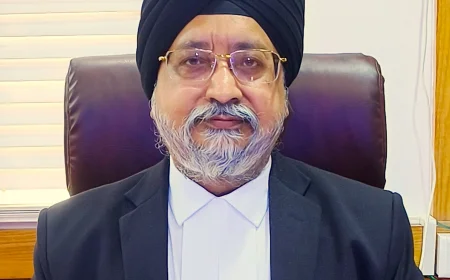
Among the three, Javalgi has the longest service record and the most extensively documented career. A direct-recruit officer commissioned in 2006, he has held postings including Commissioner of Police at Chandannagar, Inspector General at Barasat Range and, earlier, Burdwan Range, and was appointed Inspector General at the National Investigation Agency on deputation in mid-2026. He was awarded the Medal for Meritorious Service in 2025 and holds a degree in chemical engineering. His posting history places him among the more senior IGP-rank officers currently serving in the state, with two decades of service across both field policing and specialised deputation roles.
Chandrasekhar and Amnadeep, the 2009-batch and 2014-batch officers respectively, have both served through the West Bengal police hierarchy's periodic reshuffles, which have seen dozens of IPS officers rotated across ranges, commissionerates and specialised wings in recent years as the state government manages a large and frequently reorganised cadre. Specific prior postings for the two officers were not available in the public record at the time of this report, though officers of their respective seniority typically hold charge of districts, police commissionerates or range-level supervisory postings within the state before being considered for central deputation.
The clearance comes against a backdrop in which Centre-state relations over IPS deputations from West Bengal have periodically turned contentious, including past instances where the Ministry of Home Affairs invoked its authority to summon officers for central postings over the state government's objections. The present NOCs, by contrast, indicate the state has consented to the officers' central deputation rather than being compelled to release them.
For the Union government, absorbing officers from the West Bengal cadre adds to the pool available for central postings at a time when the Centre continues to draw IPS officers from state cadres to fill vacancies in central police organisations, investigative agencies and ministries under the Central Staffing Scheme. West Bengal, with one of the larger IPS cadres among the states, is a regular source of such officers.
The next step in the process will be the Department of Personnel and Training identifying specific central postings for each of the three officers, a decision that typically follows within weeks to a few months of an NOC being granted, depending on vacancy availability. Javalgi's existing deputation at the National Investigation Agency means his case may move faster than the other two, since a Central Staffing Scheme placement is often extended or converted for officers already serving on deputation rather than opened afresh.