

IAS Officer Abhishek Sehara Transfers Cadre to Uttar Pradesh

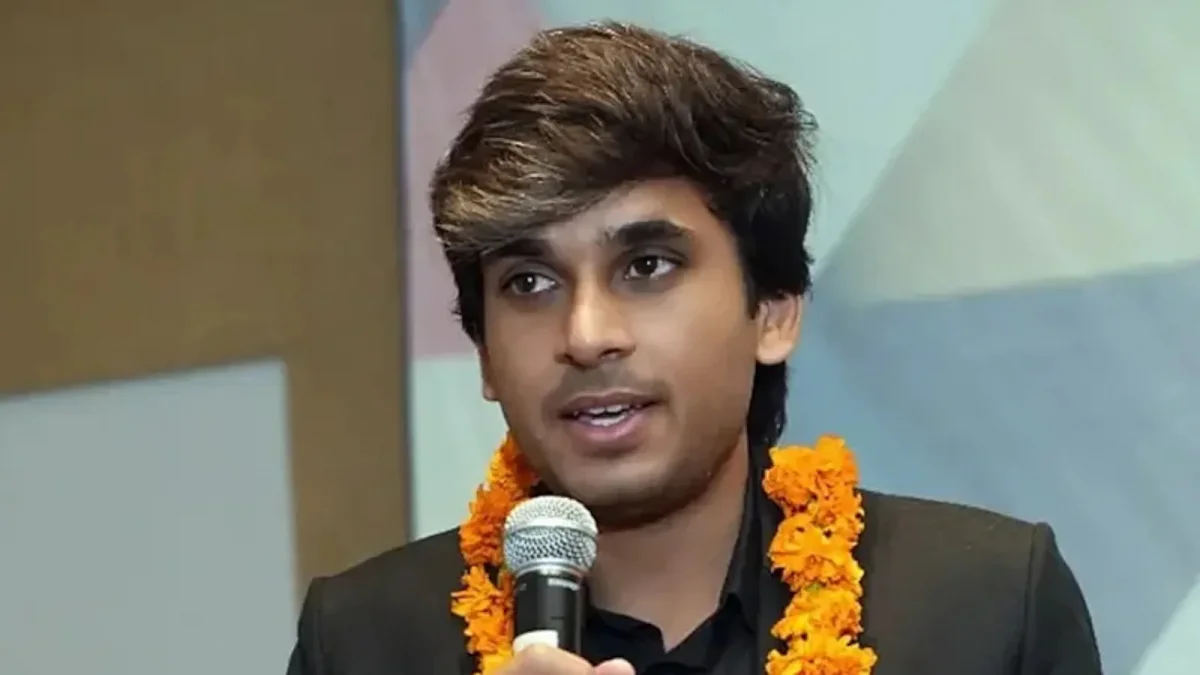
The Department of Personnel and Training (DoPT) has recently approved the inter-cadre transfer of Abhishek Sehara, an Indian Administrative Service (IAS) officer of the 2025 batch. Previously allotted to the Karnataka cadre, Mr. Sehara will now transition to the Uttar Pradesh cadre. This administrative change follows established government protocols regarding the relocation of civil servants based on marriage, specifically citing his union with Indian Forest Service (IFS) officer Ms. Priya Meena.
Inter-cadre transfers for All India Service officers are governed by strict guidelines maintained by the central government. The policy, often referred to as the marriage-based transfer rule, is designed to allow officers to maintain family cohesion by serving in the same state or region as their spouses. This specific provision acknowledges the unique challenges faced by civil servants who often serve in remote or geographically distant postings, thereby ensuring that personal life commitments do not adversely impact their professional output or long-term career stability.
The Policy Framework for Inter-Cadre Transfers
The rules governing the movement of IAS, IPS, and IFS officers between states are designed to be highly regulated. When an officer seeks a transfer on the grounds of marriage, the proposal must navigate a multi-stage approval process. This involves obtaining a No Objection Certificate (NOC) from both the state of origin—in this case, Karnataka—and the state of destination, which is Uttar Pradesh. The central government acts as the final authority, ensuring that the transfer does not violate the administrative interests of the respective state cadres or the overall requirement for balanced officer distribution across the country.
The administrative rationale behind these transfers includes several key factors:
- Administrative Continuity: Ensuring that officers have the personal support systems necessary to perform high-pressure duties.
- State Consent: Both the state government losing an officer and the one gaining an officer must review the request against current vacancy levels and cadre strength.
- Central Oversight: The DoPT maintains a centralized database to track these movements, ensuring that the integrity of the cadre allocation system remains intact.
For Abhishek Sehara, the move to Uttar Pradesh represents a significant shift in his career trajectory. As a 2025-batch officer, he is entering the early stages of his administrative tenure. Transitioning to a new state requires not only an adjustment to different regional governance challenges but also a familiarization with the specific socio-economic landscape of Uttar Pradesh. The state, being one of the largest in India, presents a diverse range of developmental and administrative responsibilities that will surely serve as a rigorous testing ground for a young officer.
The approval process for such transfers is often lengthy, reflecting the detailed scrutiny given to each application. The government must balance the individual officer's request for relocation against the administrative needs of the state cadre they are leaving. In instances where an officer is in their early career, the transfer is often viewed through the lens of long-term human resource management, aiming to retain talent within the service while accommodating personal life milestones. With the formal transition now in place, Mr. Sehara is expected to report to the Uttar Pradesh state administration to begin his new assignment, marking a new chapter in his civil service career alongside his spouse.