


Petrol and Diesel Prices Hiked for the Fourth Time in Under a Fortnight as Global Crude Stays Volatile
State-run oil marketing companies raised petrol and diesel prices again on May 25 — the fourth revision in less than two weeks — as BPCL disclosed under-recoveries of ₹25-30 per litre on diesel, raising inflation concerns across the economy.

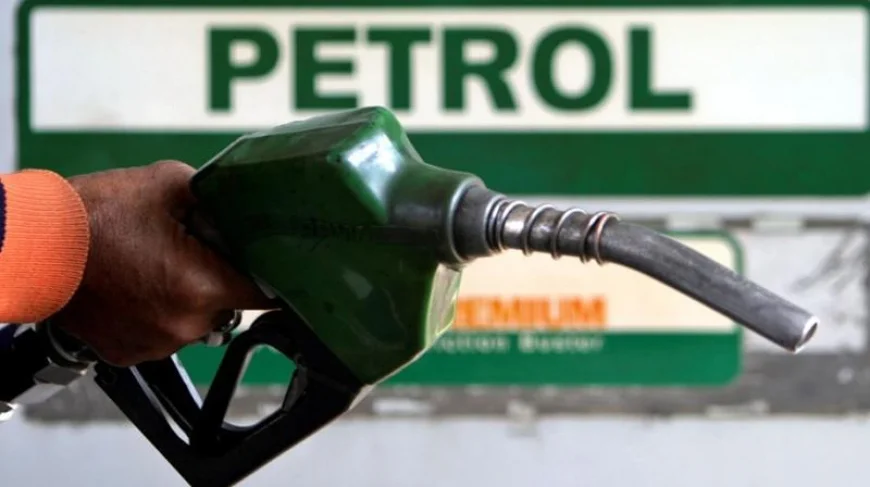
Fuel prices in India were revised upward once again on Monday, May 25, 2026, with state-owned oil marketing companies hiking petrol and diesel by up to ₹2.61–2.71 per litre across major cities. This marks the fourth revision in less than a fortnight — an unprecedented frequency that is rattling consumers, businesses and policymakers alike. The first major revision had come on May 15, when prices were raised by ₹3 per litre — the first significant hike in nearly four years. That was followed by a 90 paise increase on May 19 and another 87–91 paise hike on May 23. Monday's revision compounds the cumulative increase to over ₹7 per litre in barely ten days. The trigger is unmistakable: global crude oil has remained highly volatile amid geopolitical tensions in West Asia, with Brent crude prices swinging sharply on uncertainty around the Strait of Hormuz and ongoing conflict in the region. ONGC's Director (Exploration) Sushma Rawat acknowledged that the government had held prices steady for 76 days before the current revision cycle began, absorbing mounting losses to shield consumers. Bharat Petroleum Corporation Limited (BPCL) revealed last week that it continues to incur revenue losses of ₹25–30 per litre on diesel and ₹10–14 per litre on petrol despite the higher prices — an indication that further revisions cannot be ruled out. For context, these under-recoveries feed directly into the financial health of the three major oil marketing PSUs: IOC, BPCL, and HPCL. The downstream OMCs are caught in a politically sensitive squeeze: raising prices too fast stokes inflation and public anger, while delaying revisions deepens balance sheet losses. With transporters already signalling that they will pass higher fuel costs on to freight rates, the risk of second-order inflation — particularly in food and manufactured goods — is becoming palpable. On the markets, OMC stocks have reacted with characteristic volatility. Meanwhile, upstream producers ONGC and Oil India are benefitting from elevated crude realizations, adding to the stark divide within the PSU oil family. The government's energy policy tightrope — balancing energy security, fiscal discipline, and consumer welfare — is being tested as never before in recent memory.