

Vikram Singh, IRTS Officer, Appointed Executive Director, Gati Shakti (Traffic) at Railway Board
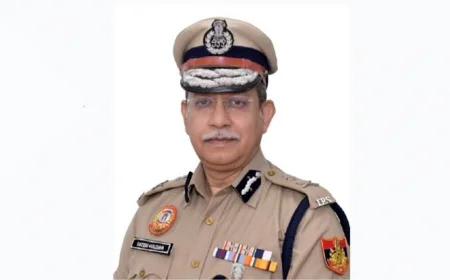
IRTS officer Vikram Singh moves from Tourism & Catering to become Executive Director, Gati Shakti (Traffic) at the Railway Board.

Vikram Singh, an officer of the Indian Railway Traffic Service, has been appointed Executive Director, Gati Shakti (Traffic) at the Railway Board, moving from his previous position as Executive Director (Tourism and Catering) within the same board.
The Gati Shakti (Traffic) role handles the traffic and operations coordination dimension of the government's national infrastructure planning initiative, distinct from the civil engineering-focused Gati Shakti (Civil) wing, with Singh's traffic operations background from the IRTS cadre carrying direct relevance to coordinating train scheduling and capacity planning within the broader multi-modal framework.
His move from Executive Director (Tourism and Catering), a commercially focused portfolio covering railway tourism initiatives and catering services, to the Gati Shakti (Traffic) role represents a shift into infrastructure and operations planning coordination, a markedly different functional area from his previous commercial services charge.
The Gati Shakti framework requires close coordination between railway traffic planning and other infrastructure sectors, including road and port logistics, to ensure new rail capacity additions align with broader multi-modal freight and passenger movement planning across the country's infrastructure network.
Executive Director-level postings within the Railway Board's Gati Shakti structure typically involve substantial inter-ministerial coordination, given the initiative's mandate to break down planning silos between different infrastructure sectors that have historically operated with limited coordination on shared logistics corridors.
Singh's IRTS background, centred on train operations and commercial functions, positions him to bring an operations-planning perspective to the Gati Shakti (Traffic) role, complementing the more civil engineering-focused work being coordinated in parallel through the Gati Shakti (Civil) wing.
The appointment was processed through the Railway Board's standard cadre management process governing IRTS officer movements within its headquarters structure.