



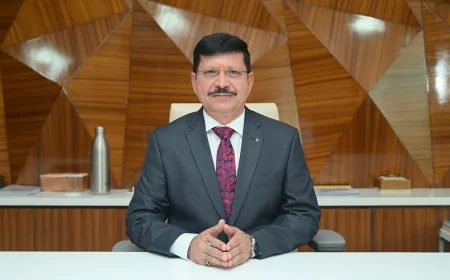




Anil Malik Takes Additional Charge as Secretary of Tribal Affairs Ministry
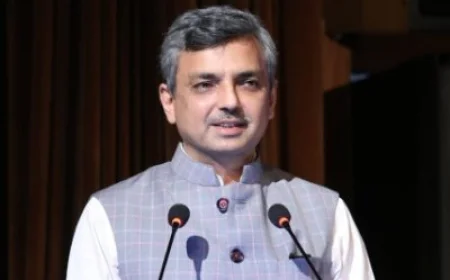
IAS officer Anil Malik gets additional charge of Tribal Affairs Ministry during Ranjana Chopra's leave from June 16 to July 1.


Senior IAS officer Anil Malik has been given the additional responsibility of heading the Ministry of Tribal Affairs, even as he continues to serve as the Secretary of the Ministry of Women and Child Development. The 1991-batch Haryana cadre officer will shoulder this dual responsibility during the leave period of Ms Ranjana Chopra, who is on authorised absence from June 16 to July 1. The arrangement is a common administrative practice in the Government of India to ensure continuity in ministerial functions during a secretary's absence. Malik, known for his extensive experience in social welfare sectors, brings his administrative acumen to the crucial tribal affairs portfolio, which oversees the development and welfare of Scheduled Tribes across the country. The Ministry of Tribal Affairs plays a pivotal role in implementing flagship programmes such as the Pradhan Mantri Van Dhan Yojana, scholarships for tribal students, and livelihood support under the Tribal Sub Plan. During Malik's stewardship, the ministry is expected to maintain operational continuity without disruption to ongoing schemes. The arrangement reflects the government's commitment to seamless administration, particularly in ministries that interface directly with vulnerable and marginalised communities. As Secretary of the Ministry of Women and Child Development, Malik has been instrumental in overseeing welfare programmes related to nutrition, child protection, and women empowerment. His temporary additional charge of the Tribal Affairs Ministry underscores the government's confidence in senior IAS officers to manage multi-portfolio responsibilities efficiently. The charge will revert to the designated incumbent upon Ms Chopra's return from leave on July 1. Such interim arrangements ensure that high-priority ministerial functions, policy decisions, and inter-departmental coordination proceed without delay, highlighting the flexibility and responsiveness embedded in India's civil services framework.